P
Planning
Justify procedure, quantify risks, outline data treatment.
Show two data-treatment steps - linearisation plus how you'll find the gradient.
Loading page…


Loading blog content…
A-Level Paper 4 labs and experiments for school and private candidates. Practise apparatus, spreadsheet graphing, planning and evaluation.
Last updated: 2026-10-03
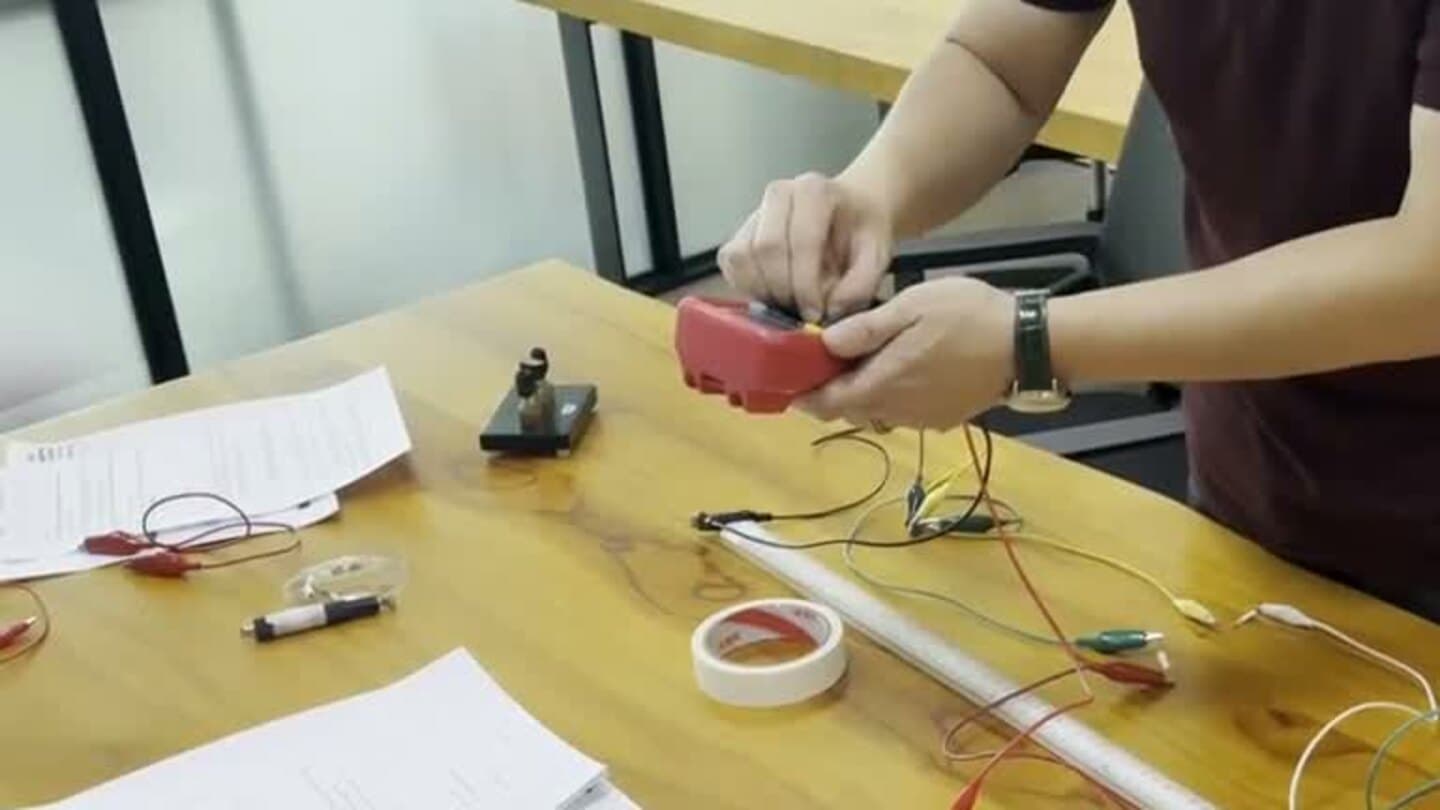
Source: 2026 SEAB 9478 syllabus (PDF)
Justify procedure, quantify risks, outline data treatment.
Show two data-treatment steps - linearisation plus how you'll find the gradient.
Calibrated apparatus, zero-error checks, technique under exam timing.
Record zero errors in a separate column before taking any readings.
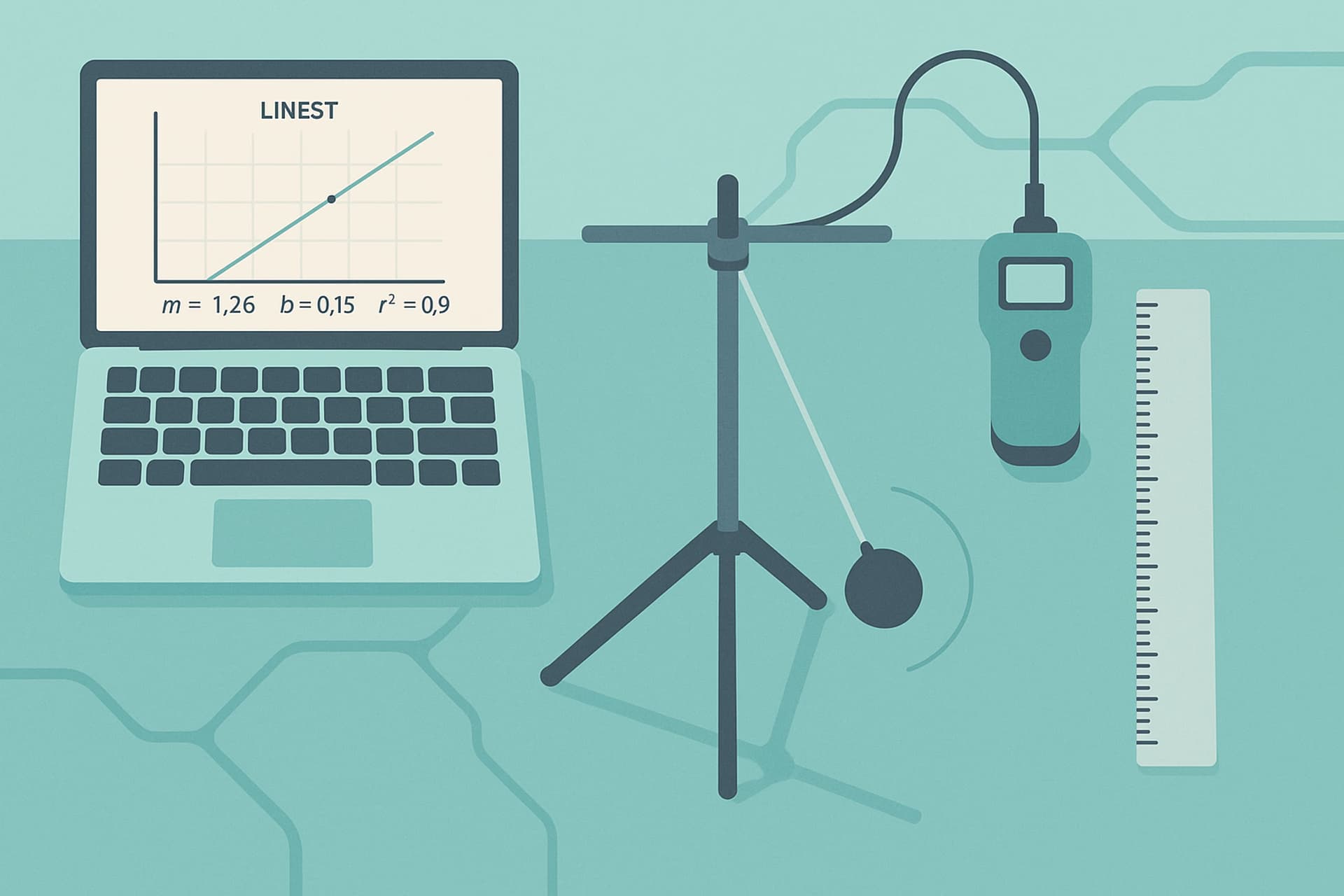
Spreadsheet tables, trendline equations, gradient with units.
Show gradient with units in your write-up, not just the spreadsheet.
Reconcile anomalies, argue model limitations, defendable improvements.
Tie each anomaly to a physical cause - never just 'human error'.
Paper 4 is weighted 20% of the A-Level grade.
The H2 Physics practical programme builds measurement discipline first, then broad apparatus confidence, then planning and full Paper 4 performance.
Oscillation measurements · Percentage-error routines · Sources-of-error phrasing
Students can collect data more deliberately and write the measurement and uncertainty language expected in Paper 4.
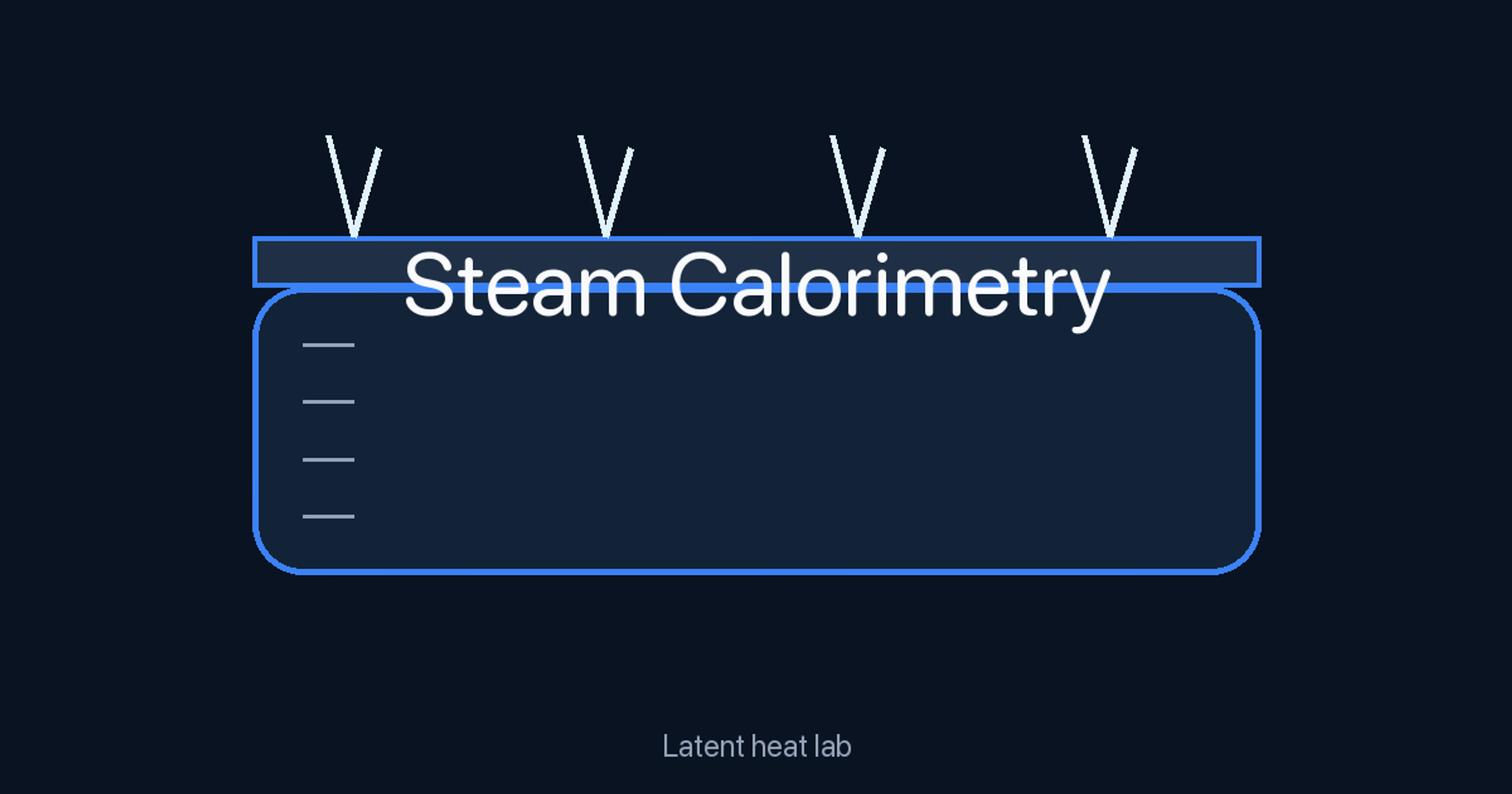
Moments and upthrust · Latent heat and rate of heat loss · Potentiometer and capacitor setups
Students can move between mechanics, thermal, and electrical investigations without resetting from scratch each time.
Electromagnetism planning prompts · Spring and pulley investigations · Forces and D.C. circuit comparisons
Students can justify method choices, identify the important controls, and plan a better investigation when the question is unfamiliar.
Henderson Road
Our Henderson Practical Lab is a full laboratory for Chemistry, Physics, and Biology practical work, not an ordinary classroom.
General timings only, not a list of available classes. Dates, topics, venue and places must be confirmed before booking.
SEAB states that private candidates for science subjects with laboratory-based components must either have sat the same subject before, or attend a course of instruction in science practical and complete it before the practical paper.
Eclat's practical sessions provide supervised lab training plus centre-held attendance records. Where relevant, we may also issue an internal attendance or completion document, but the SEAB-facing requirement is the declaration supported by the centre's records.
Paper 4 lasts 2 h 30 min, carries 50 marks, and is weighted at 20% of the H2 grade. Candidates tackle linked investigations that test Planning, Manipulation & Measurement, Presentation of Data, and Analysis, Conclusions & Evaluation.
Yes. The 9478 syllabus requires processing and analysing data with spreadsheet tools during Paper 4, so familiarity with trendline plotting, equation display, and quick graphing is essential.
Planning carries 4% of the H2 Physics subject grade. You must justify apparatus choices, quantify risks, and outline data treatment steps before using the equipment.
For practical, lab, and experiment courses, Eclat Institute keeps centre-held attendance records and may also issue an internal attendance or completion document based on participation and internal assessment.
Official references: MOE private-school certificate guidance · SEAB practical requirement for private candidates · SEAB registration declaration note.
Use the archive when you want a specific experiment, spreadsheet drill, planning guide, ACE example, or private-candidate article.
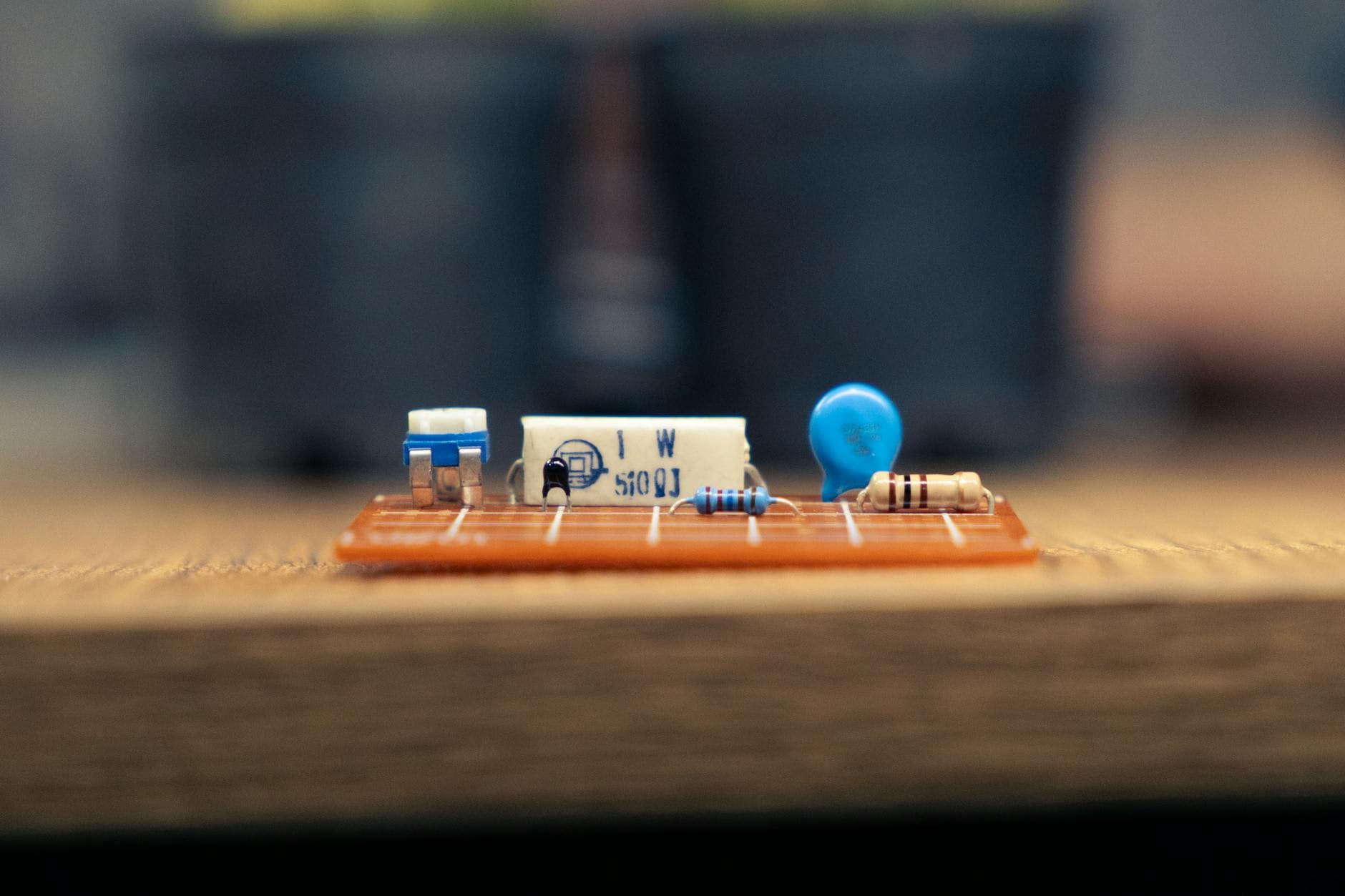
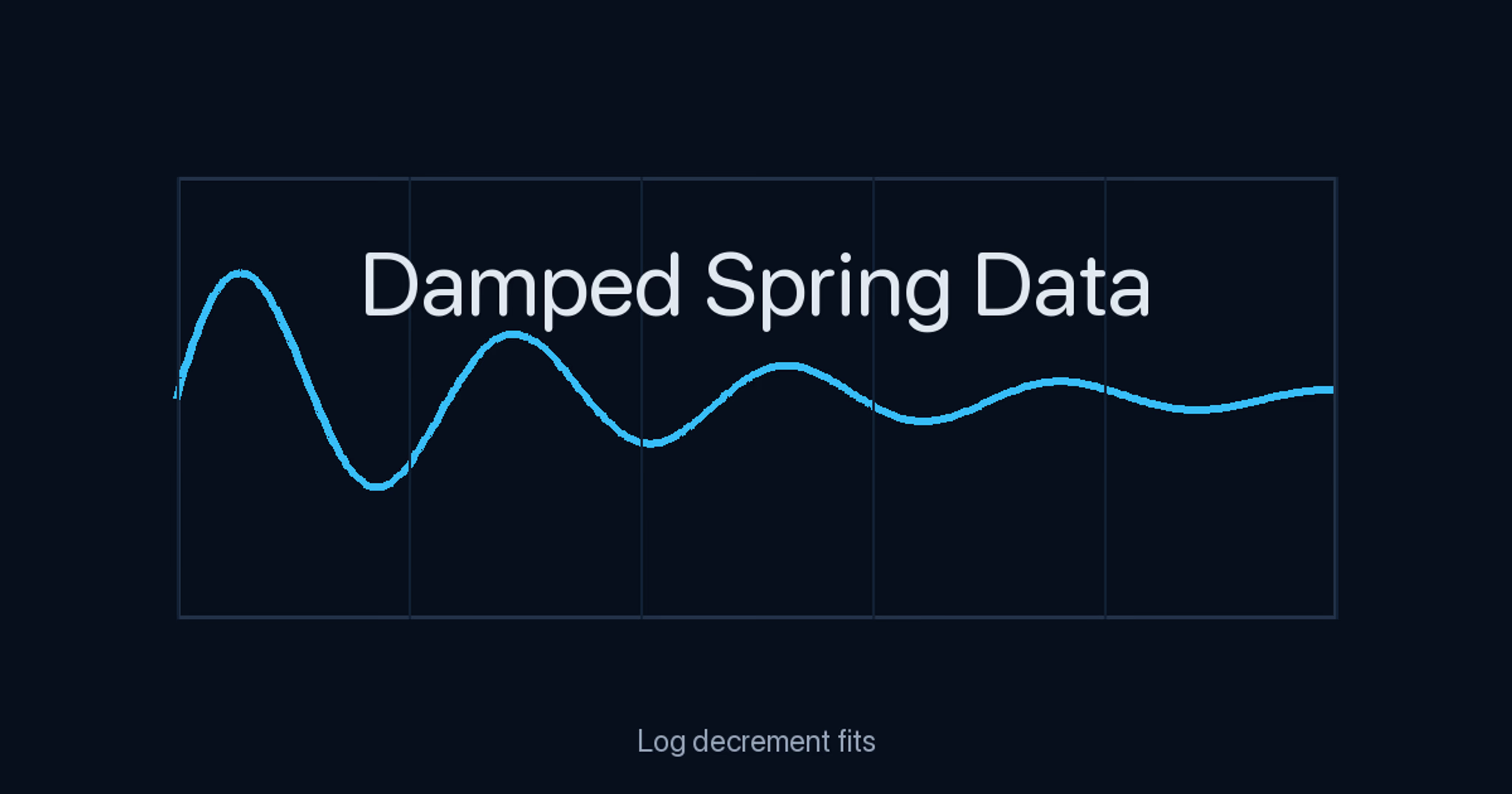
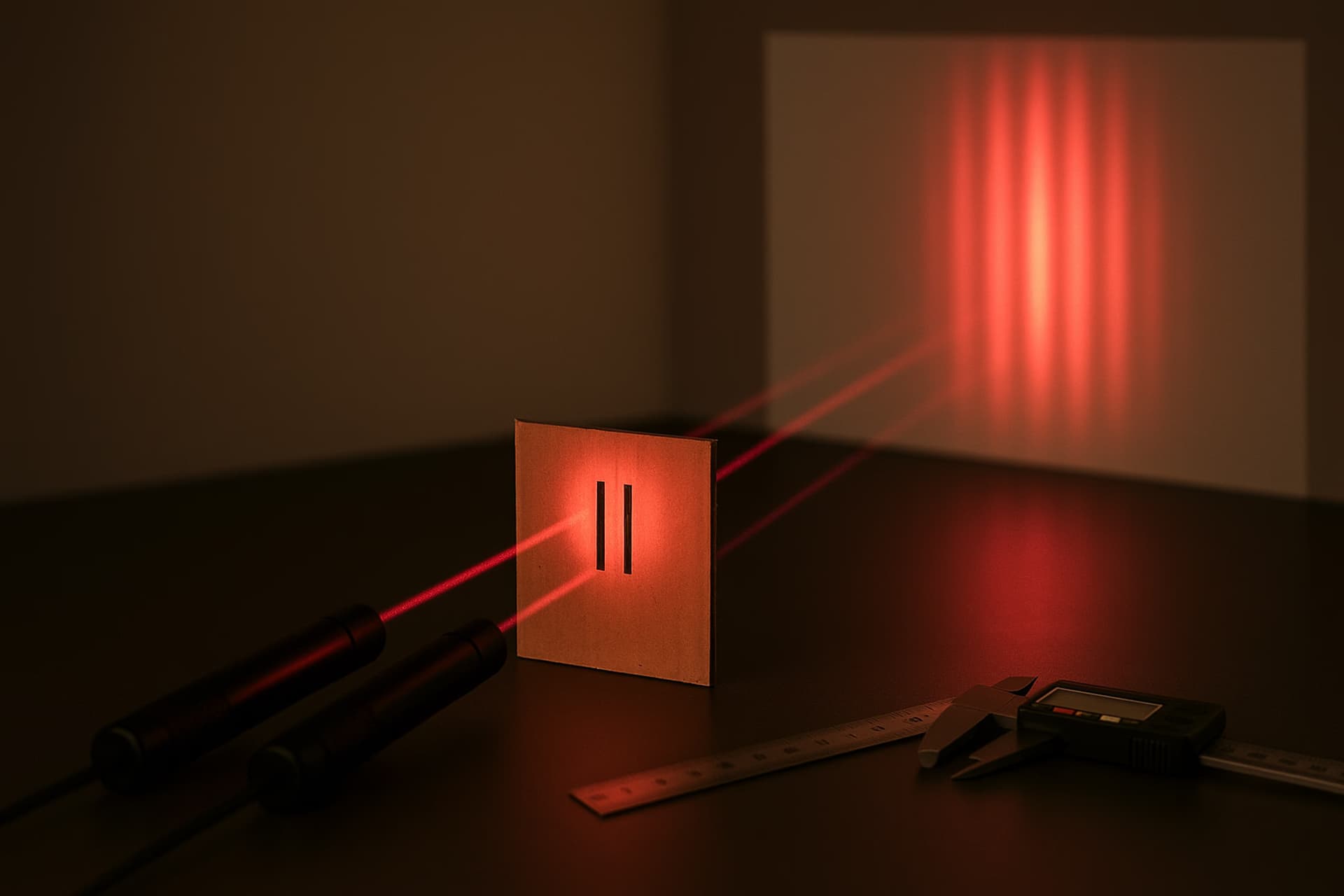




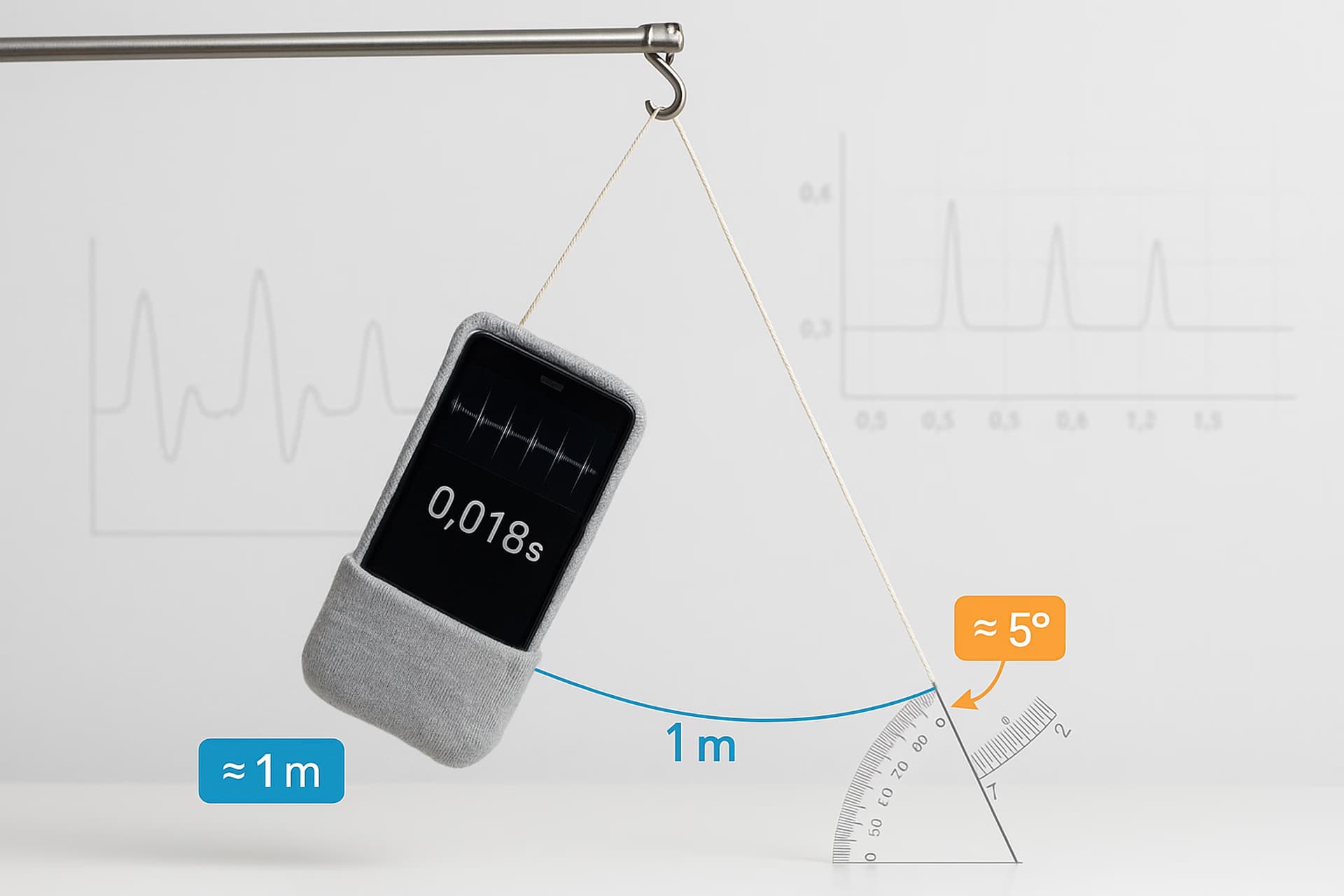
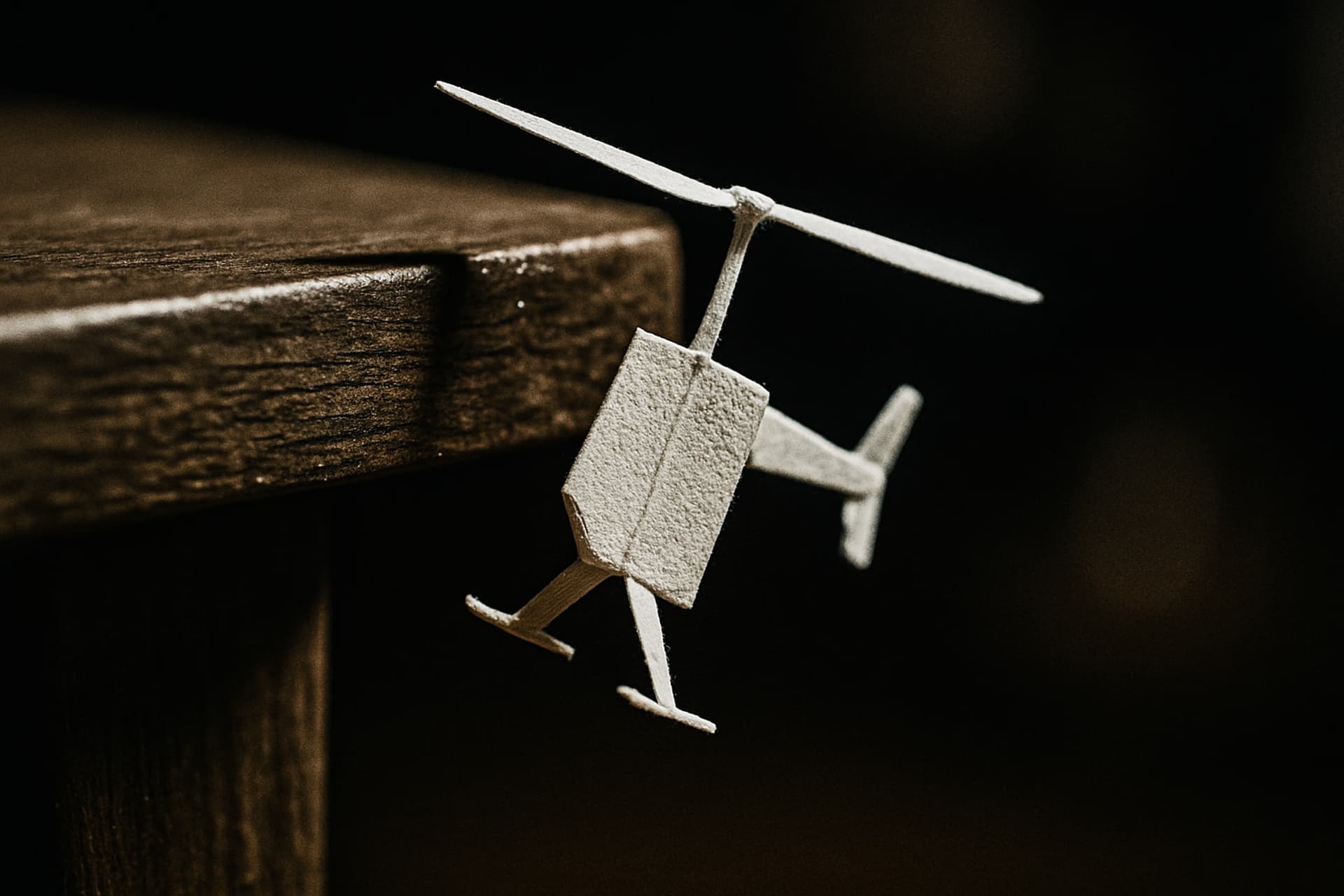

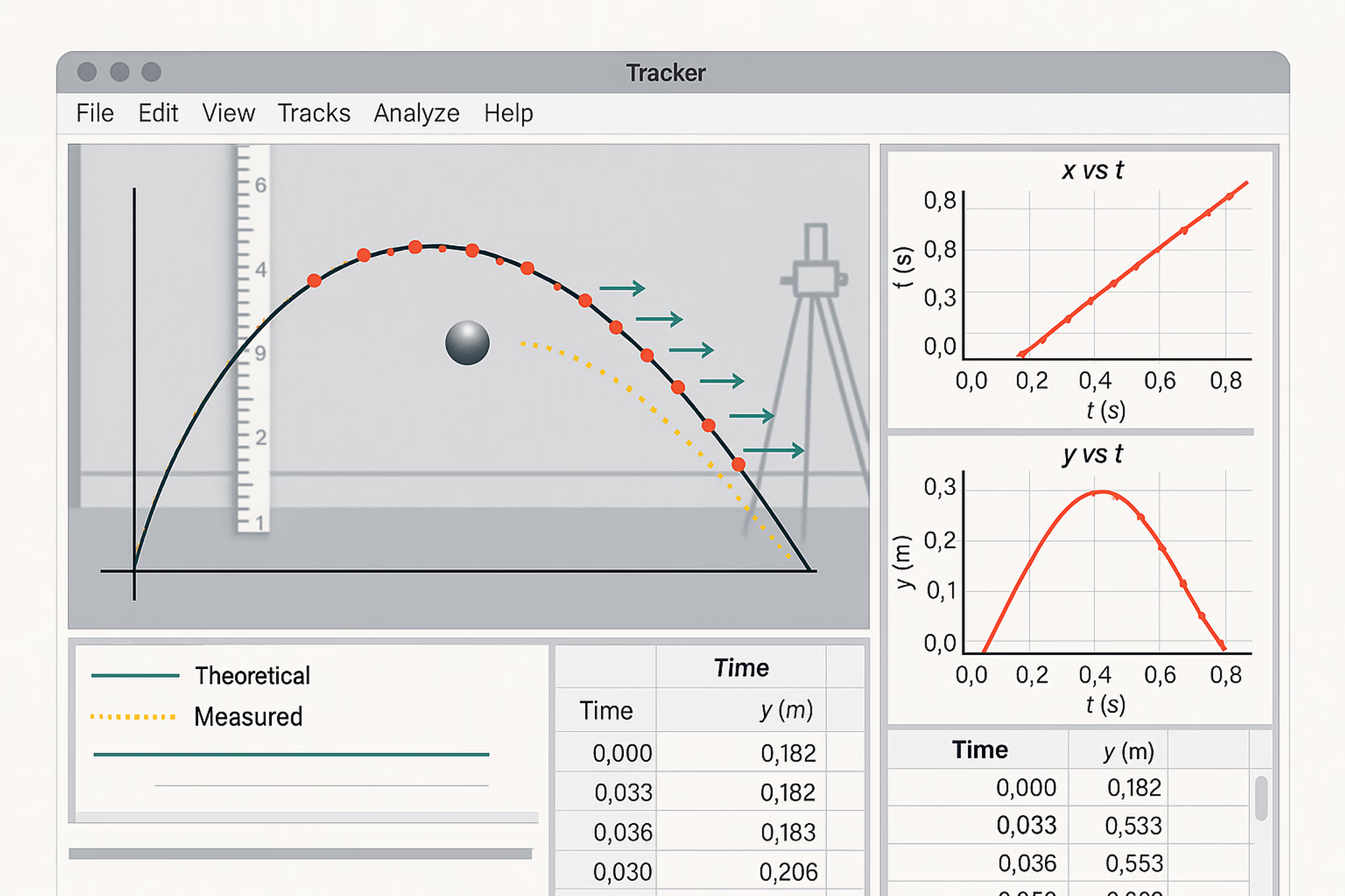
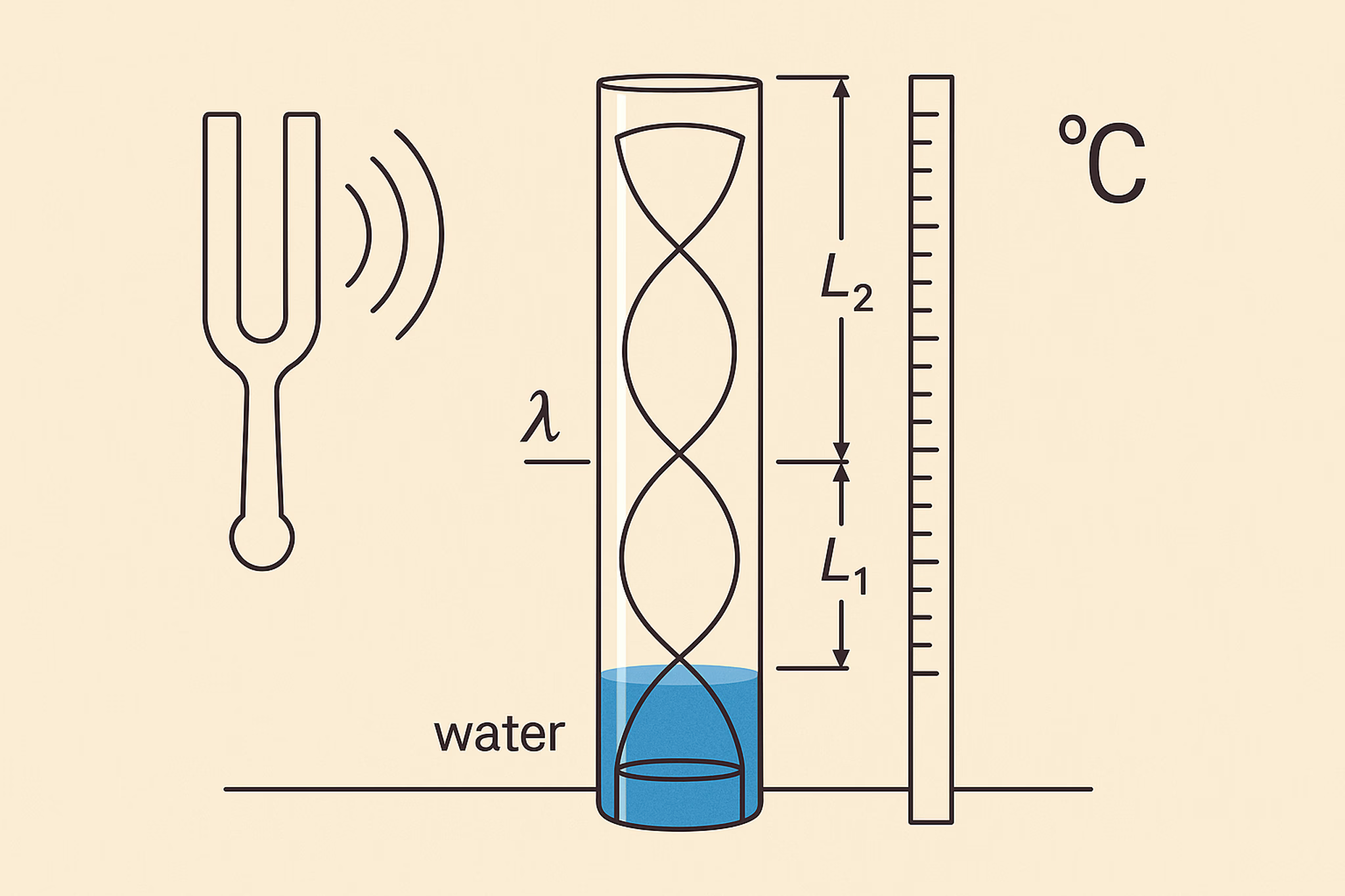
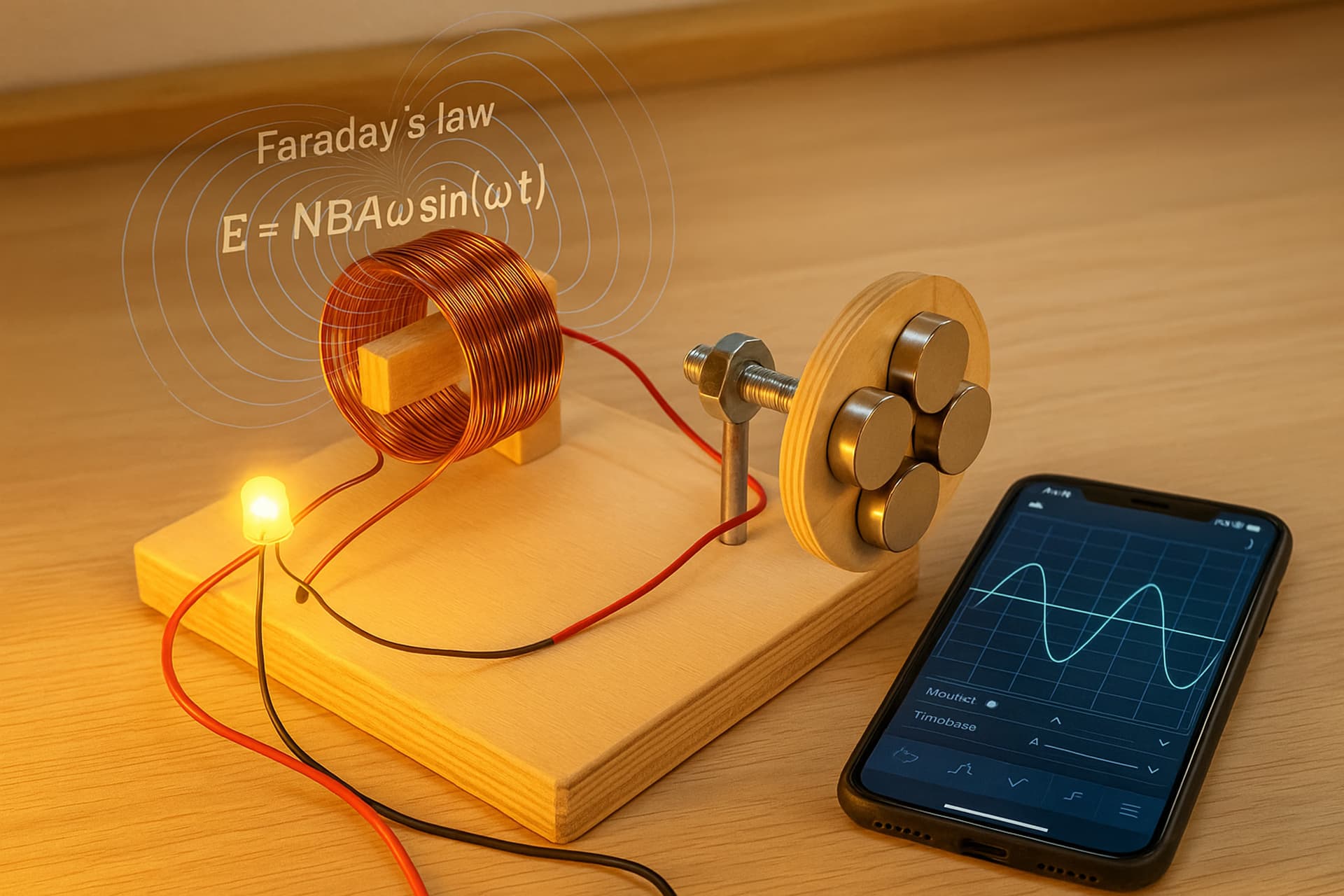
Oscillation and air-resistance analysis · Timed D.C. circuit and pendulum runs · Full H2 Physics practical papers with evaluation
Students can complete Paper 4 with better pacing, stronger evaluation comments, and cleaner analysis under pressure.
Justify procedure choices and quantify risks before any apparatus is touched.
Zero-error checks, repeat readings, and timing discipline under Paper 4 pacing.
Live graphing with gradient units, intercepts, and uncertainty bands.
Reconcile anomalies, argue limitations, and recommend defendable improvements.
Timings last updated: 17 July 2026. Confirm the venue and exact session before travelling.
A-Level: SGD $210 - $290 per lesson
Contact us to learn more about our tailored packages and available pricing options.
School and private candidates can enquire. Tell us your exam year and syllabus code, practical experience and preferred times. We will confirm suitable sessions, venue and fees.
WhatsApp opens a private enquiry with our team; it does not mean the lesson itself is one-to-one.
“260+ comments on circuit and mechanics practicals”
9749/04 Megathread 2025
Start with the Paper 4 guide if you are a school candidate, the private-candidate guide if you need supervised lab access, and the tuition page only if you need weekly class support.
Use the SEAB 9478 syllabus for the Paper 4 duration, marks, weighting, skill strands, and spreadsheet requirement. Do not treat any predicted experiment list as official.