Loading page…


Loading blog content…
Loading page…
Loading blog content…
Last updated: 2025-12-16
Upper secondary lab technique refreshers and evaluation frameworks for the Singapore-Cambridge GCE O-Level Chemistry Paper 3 practical.
Hands-on Singapore-Cambridge GCE O-Level Chemistry practicals, labs, and experiments with Paper 3-style investigations, titration and qualitative analysis drills, and ACE/PDO write-ups to sharpen timing and phrasing.
Lab venues
Practical sessions run at our partner lab venues (not at the theory tuition centres).
According to the 2026 Singapore-Cambridge GCE O-Level Chemistry syllabus (6092)—the specification Sec 3 students in 2025 will face in their 2026 examination—Paper 3 is a 1 h 50 min practical comprising 40 marks (20 % of the examination) split across timed Section A and Section B investigations.
Students must evidence technique, data handling, and evaluation directly on the script.
The same four skill bands:
Tasks range from acid-base and redox titrations to rate experiments, separation and purification workflows, salt preparation, gas handling, and qualitative analysis of cations, anions, and gases.
Sessions follow Paper 3 sequencing—planning and safety notes, MMO runs with limited apparatus, PDO tables, and ACE error commentary—so your O-Level Chemistry practicals, labs, and experiments track exam expectations.
| Paper | Duration | Marks / weighting | What to expect |
|---|---|---|---|
| Paper 3 Practical | 1 h 50 min | 40 marks (20% of O-Level grade) | Sequential investigations covering Planning, MMO, PDO, ACE, including titrations, rates, and qualitative analysis. |
Each resource here breaks those expectations into pre-lab checklists, observation templates, and evaluation prompts so you can rehearse Paper 3 timings, document observations cleanly, and spot gaps before working with our tutors.
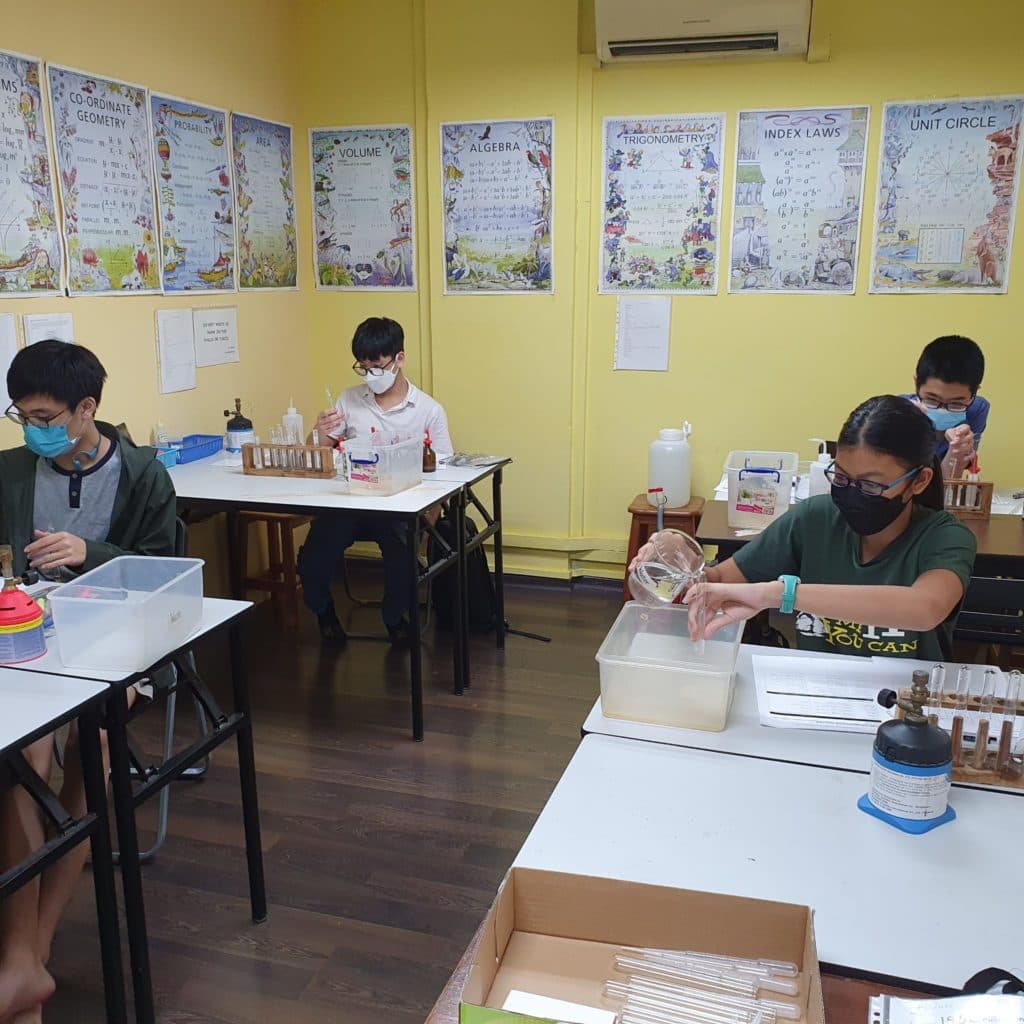
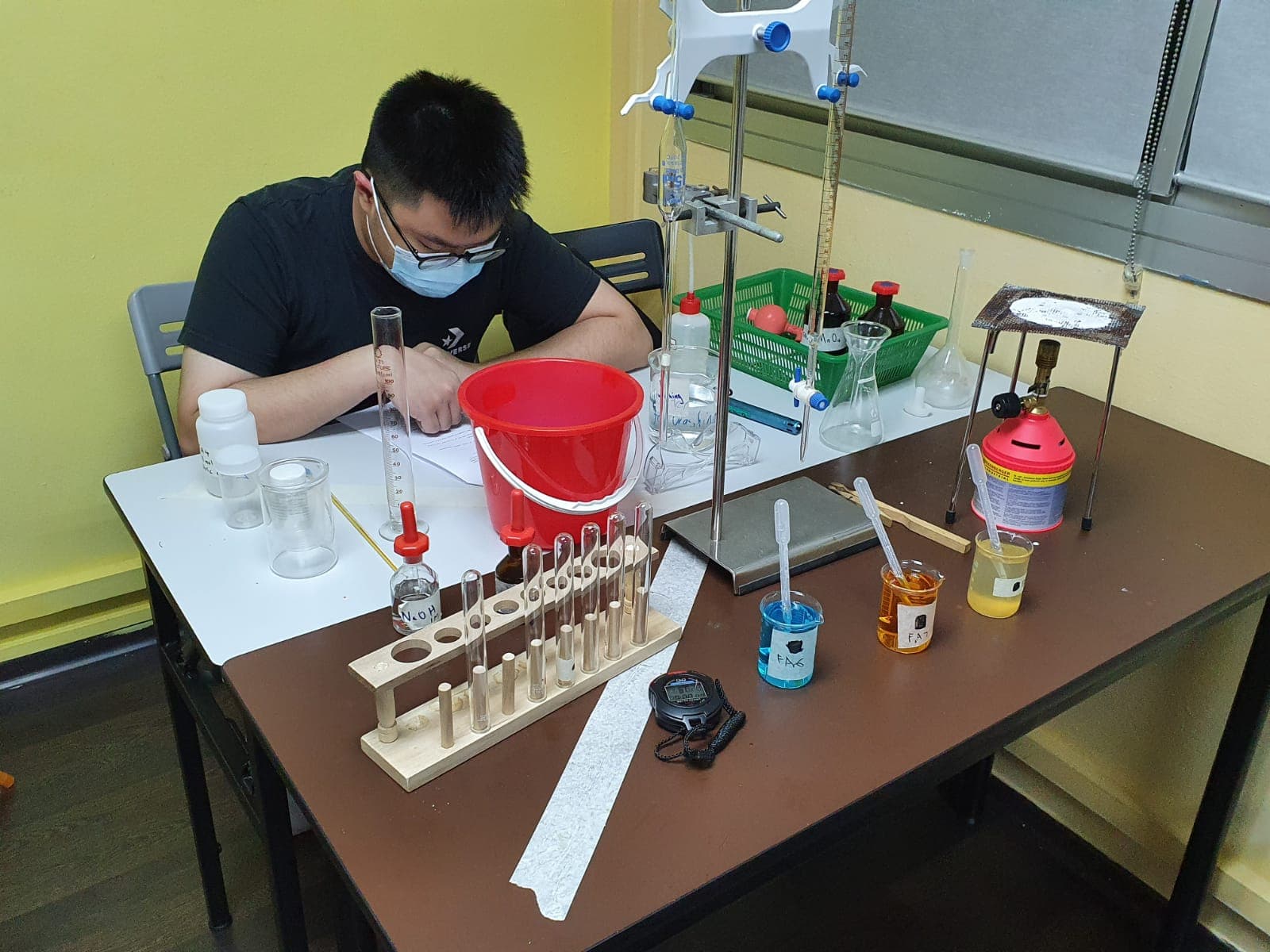
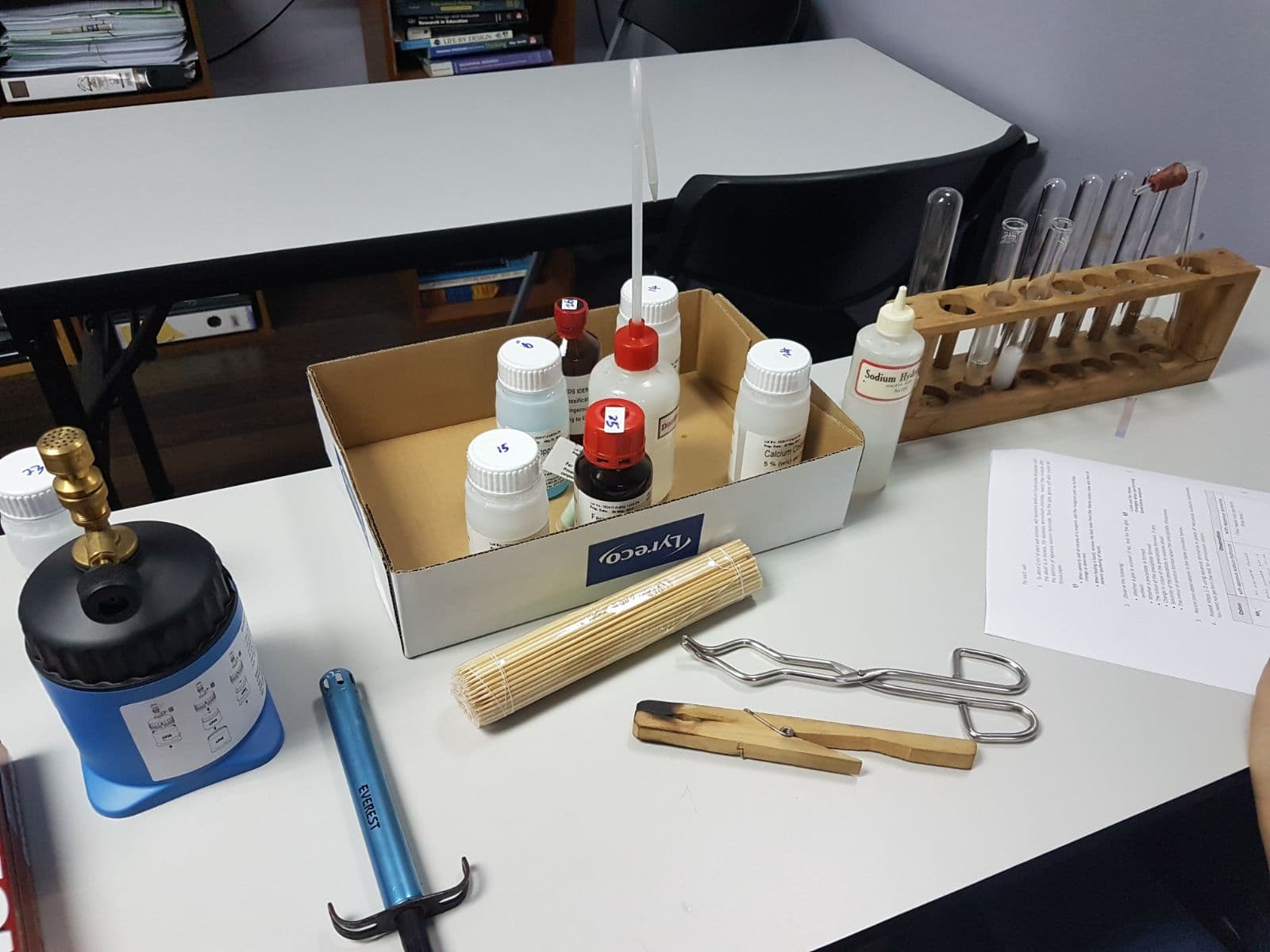
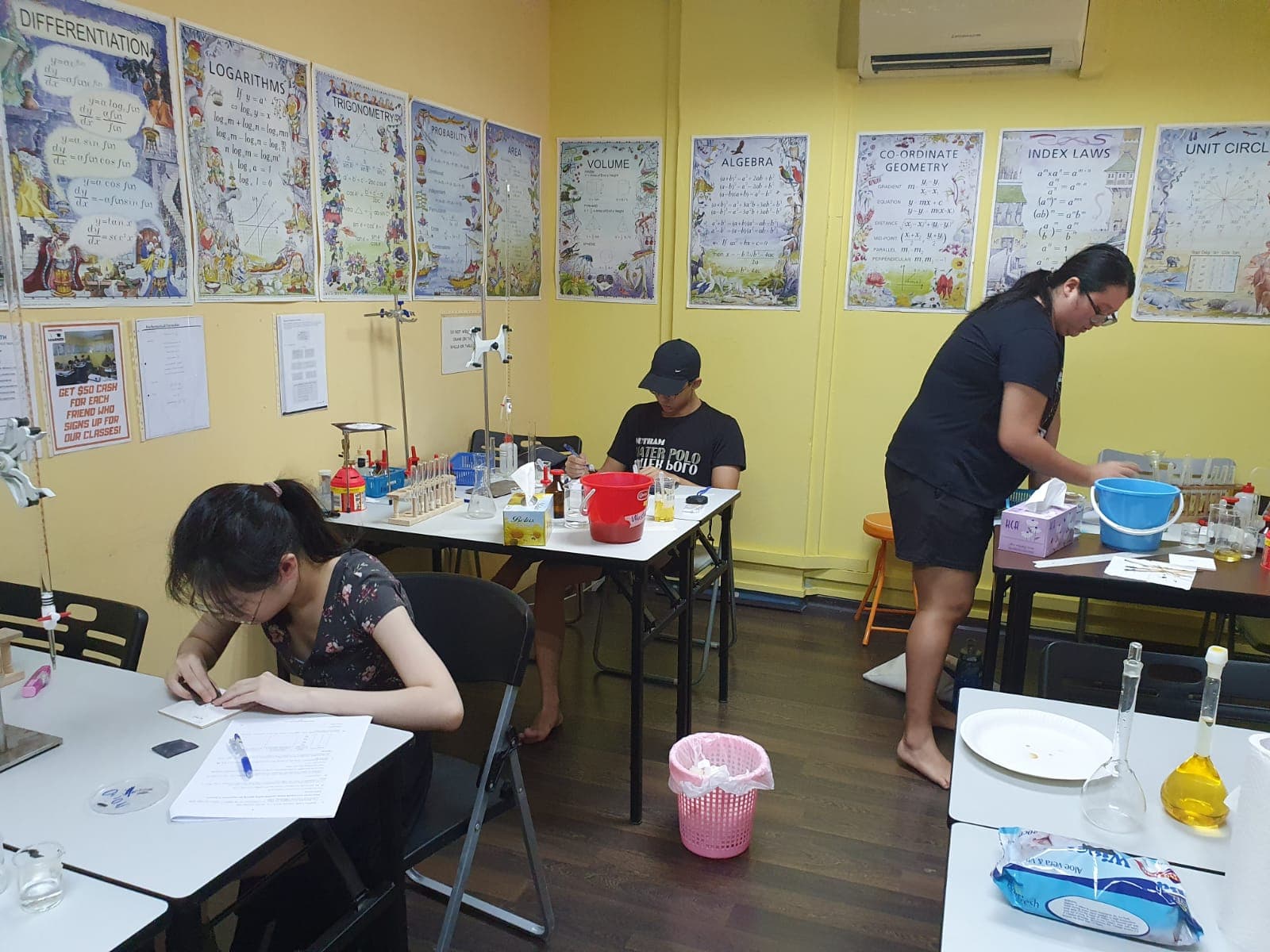
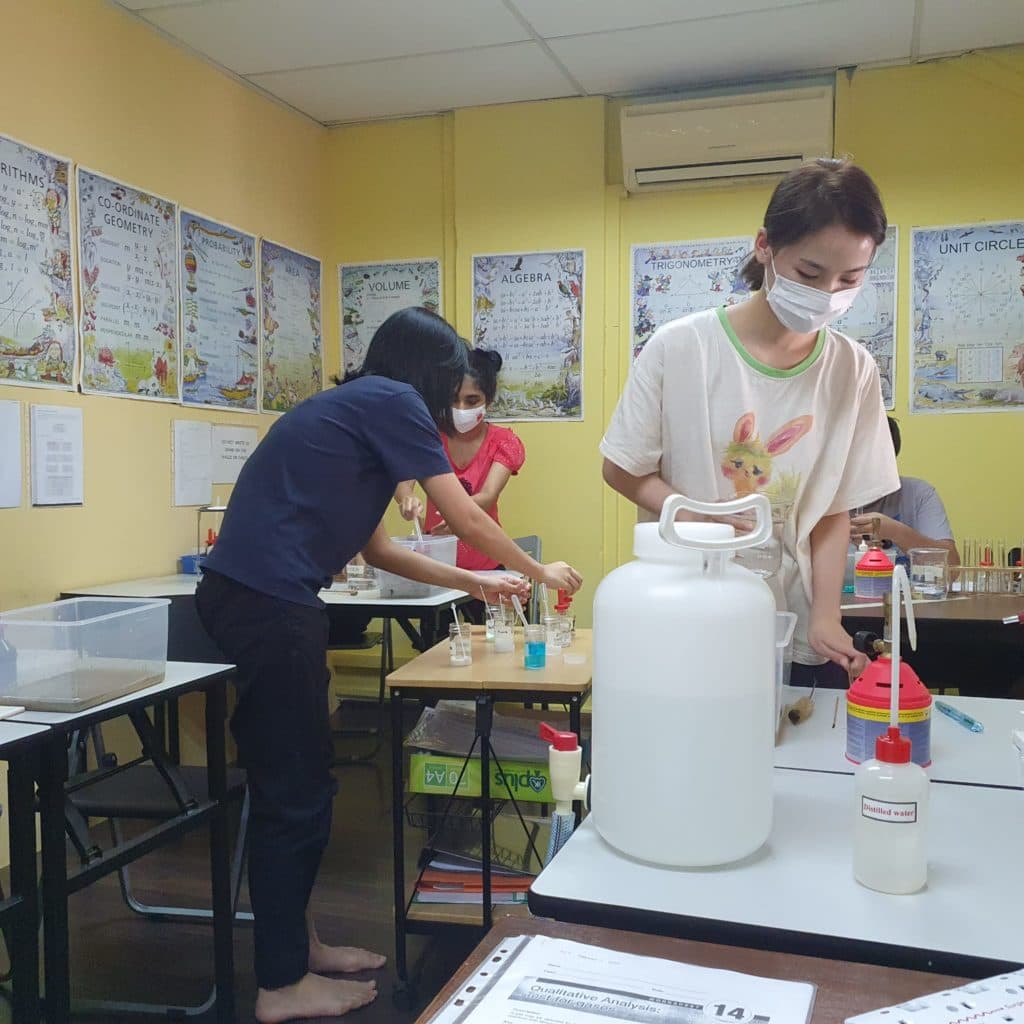
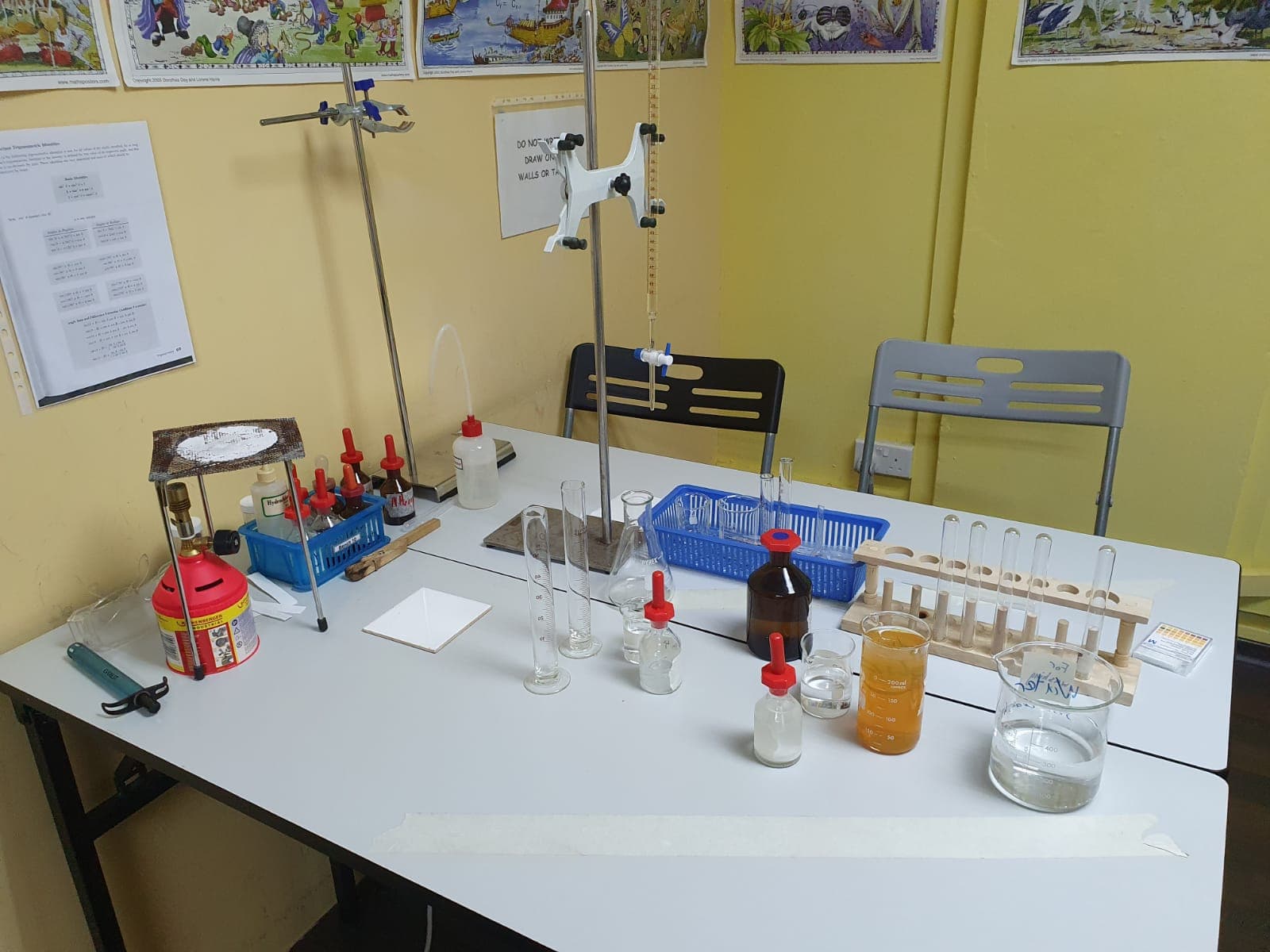
Paper 3 lasts 1 h 50 min, carries 40 marks, and contributes 20% of the overall Chemistry grade. Section A and Section B tasks probe Planning, MMO, PDO, and ACE skills.
Yes. The question booklet includes the qualitative analysis notes, but you must pick appropriate reagents and inference steps efficiently.
Planning carries about 15% of the marks. You will justify method choices, safety controls, and data treatment before performing the experiment.
Run micro-scale titrations, rehearse observation phrasing from past scripts, and use our data sets to practise uncertainty and ACE write-ups between lab sessions.
We rehearse Paper 3 practicals end-to-end—planning, MMO, PDO, ACE—with titration and QA drills, micro-scale setups, and structured ACE commentary so O-Level Chemistry practicals, labs, and experiments stay exam aligned even with limited apparatus access.