


P
Planning
Method choice, hazards, controls, and data treatment - written before benchwork.
Name the indicator and the colour change you expect at the endpoint.
Loading page…


Loading blog content…
Prepare for O-Level Chemistry Paper 3 with guided titration and QA practice, timed lab sessions, and focused notes for tables, observations, Planning, and evaluation.
Last updated: 2026-07-21
Tell us your exam year, level, subject and previous practical experience. Availability must be confirmed.
Source: 2026 SEAB 6092 syllabus (PDF)
O-Level Chemistry is becoming SEC G3 from 2027. From 2027, today's O-Level subjects continue as SEC G3 subjects with the same overall standard. This page keeps the 2026 exam name for current candidates.
Paper 3 lasts 1 h 50 min, carries 40 marks, and contributes 20% of the overall Chemistry grade. It includes a variable number of compulsory practical questions that assess Planning, MMO, PDO, and ACE skill strands.
Yes. The question booklet includes the qualitative analysis notes, but you must pick appropriate reagents and inference steps efficiently.
Planning carries 15% of the marks. You will justify method choices, safety controls, and data treatment before performing the experiment.
Use the skill pages first if the problem is one table, reagent sequence, or observation phrase. If the same timed Paper 3 issue keeps appearing across QA, titration, Planning, and ACE, compare the full Sec 3-4 route on the O-Level Chemistry tuition page after you have checked the owner page for that skill.
For practical, lab, and experiment courses, Eclat Institute keeps centre-held attendance records and may also issue an internal attendance or completion document based on participation and internal assessment.
Official references: MOE private-school certificate guidance · SEAB practical requirement for private candidates · SEAB registration declaration note.
Use the archive when you want a specific 6092 Paper 3 guide for titration, burette handling, QA tables, observations, planning, or ACE.











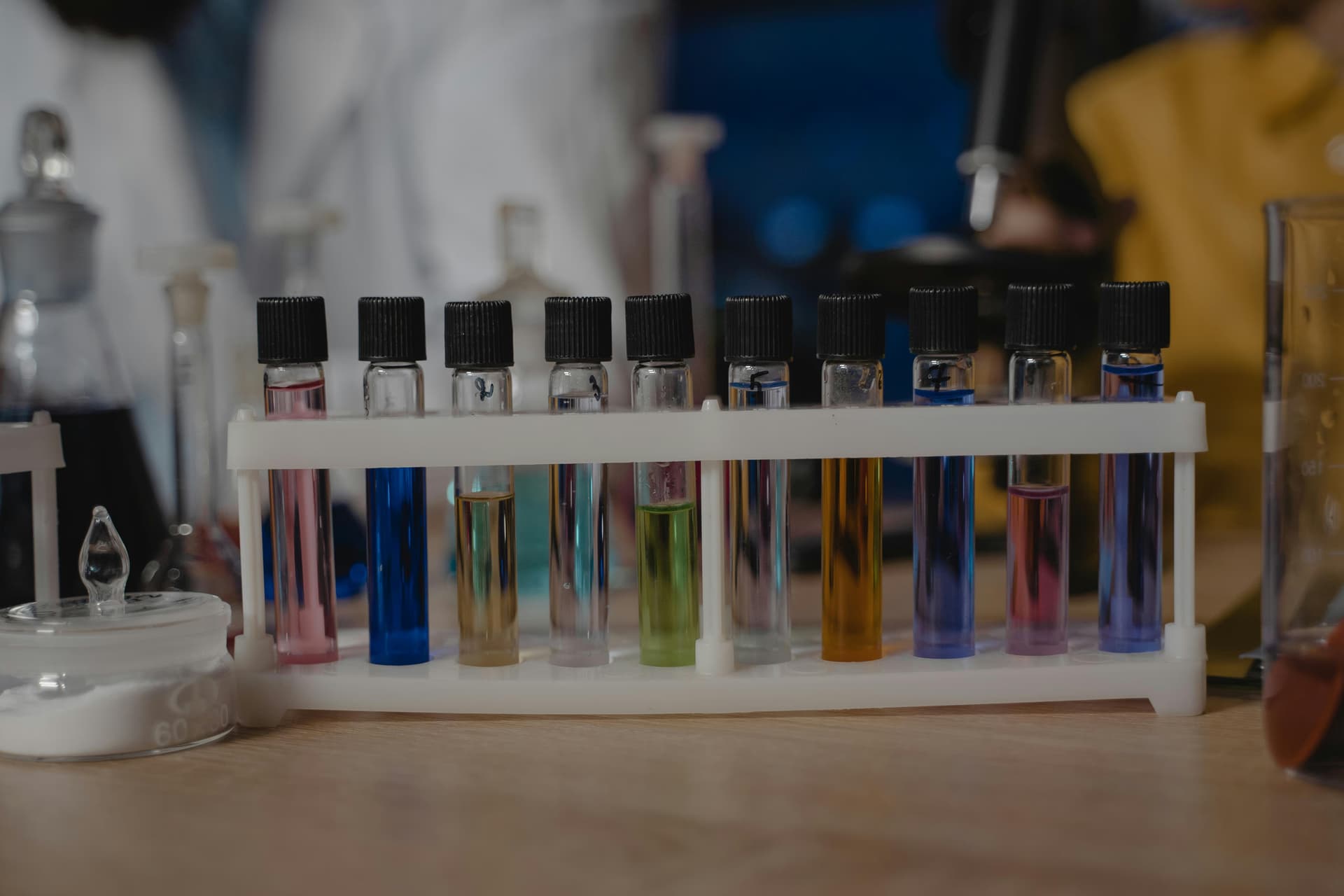


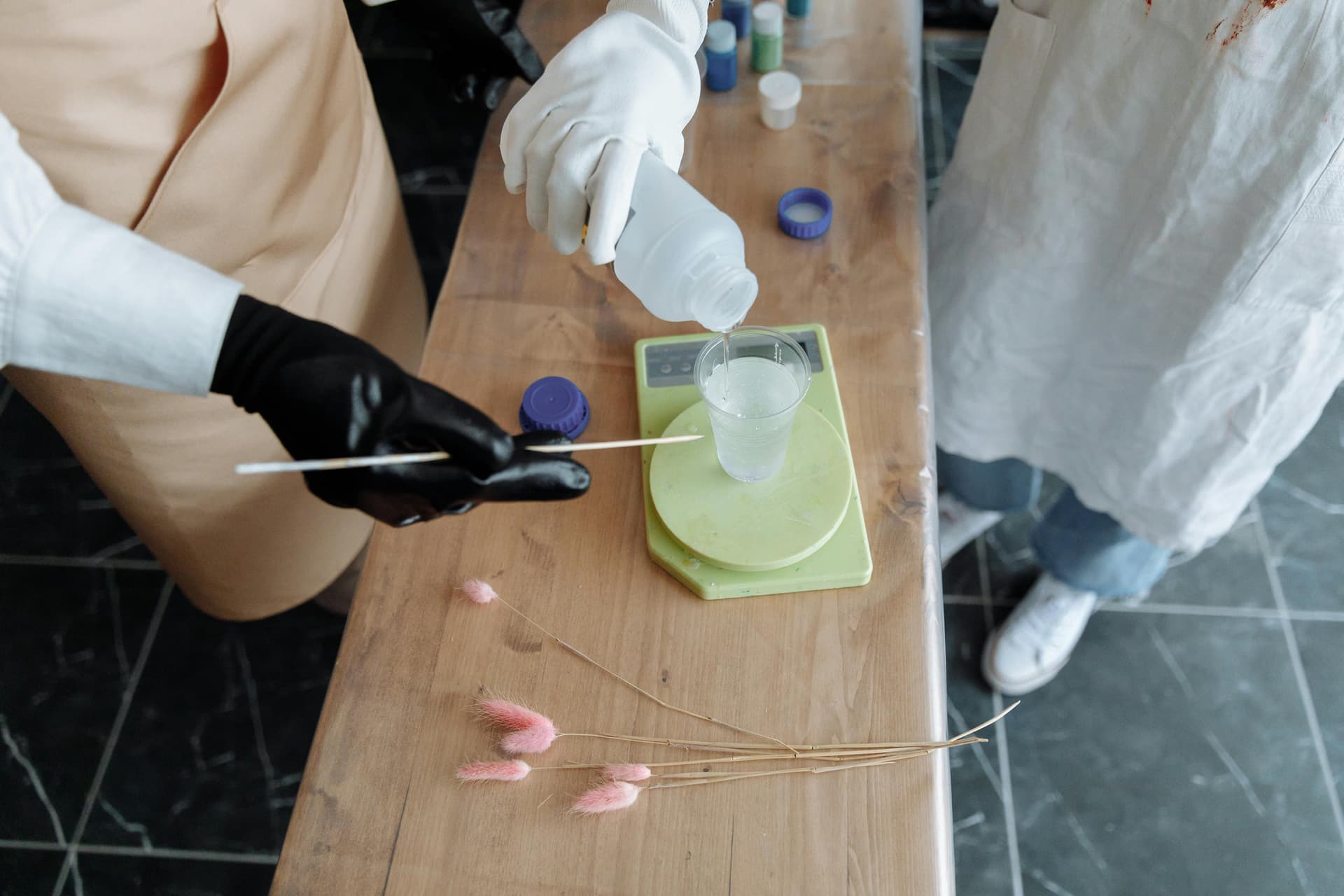
Method choice, hazards, controls, and data treatment - written before benchwork.
Name the indicator and the colour change you expect at the endpoint.
Burette technique, gas collection, heating, observation language.
Read the burette to 0.05 cm³ and record the meniscus before stopping.
Concordant titres, observation tables, balanced equations, units.
Mark concordant titres with a tick and average only those.
Percentage uncertainty, error analysis, realistic refinements.
Calculate percentage uncertainty from your smallest reading - don't skip it.
Paper 3 is weighted 20% of the O-Level grade.
The chemistry practical programme starts with stable apparatus habits, then broadens into QA, calculations, and planning so students are not thrown into hybrid papers too early.
Acid-base titration basics · Volume readings and concordant results · Simple calculation framing after titration
Students can set up titration work properly, read apparatus accurately, and avoid the common early procedural mistakes.
Testing of gases and anions · Testing of cations and unknown salts · Observation wording for precipitates and gases
Students can identify likely ions from their observations and write their results in exam-safe chemistry language.
Chemical energetics · Speed of reaction experiments · Iodimetric and acid-carbonate titrations
Students can switch between calculation-heavy and observation-heavy tasks without losing structure.
Back titration and mixed QA papers · Planning questions with apparatus choices · Timed chemistry practical sets
Students can finish a chemistry practical at exam pace and justify methods instead of just following recipes.
Apparatus on the bench, units checked, stopwatches zeroed.
Short investigations marked against the SEAB rubric in real time.
Full graph or analysis with units, gradients, and uncertainty.
Henderson Road
Our Henderson Practical Lab is a full laboratory for Chemistry, Physics, and Biology practical work, not an ordinary classroom.
General timings only, not a list of available classes. Dates, topics, venue and places must be confirmed before booking.
Timings last updated: 17 July 2026. Confirm the venue and exact session before travelling.
O-Level: SGD $120 - $200 per lesson
Contact us to learn more about our tailored packages and available pricing options.
Lab teaching uses scheduled group formats. Tell us the school, level, subject, and next practical paper or WA so we can check the right group, venue, and apparatus plan.
WhatsApp opens a private enquiry with our team; it does not mean the lesson itself is one-to-one.
Open only the route that matches your next decision.
SEAB states that private candidates for science subjects with laboratory-based components must either have sat the same subject before, or attend a course of instruction in science practical and complete it before the practical paper.
Eclat’s practical sessions provide supervised lab training plus centre-held attendance records. Where relevant, we may also issue an internal attendance or completion document, but the SEAB-facing requirement is the declaration supported by the centre’s records.
Use the hub to separate the skill first: read the Paper 3 guide for format, the titration page for table layout, the QA toolkit for cation, anion and gas tests, and the observation page for PDO wording.
Use the QA toolkit for the printed QA Notes, cation tests, anion tests and gas tests. Use the titration playbook for initial readings, final readings, titres, concordant sets and average titre tables.
Why your improvement lost the mark and what the markscheme wanted.