Japan/Korea University Admissions (Singapore) 2026: Transcripts, Predicted Grades, and What Universities Usually Ask For
TL;DR
A Singapore-student friendly guide to admissions document planning for Japan and Korea universities: how to build a clean document pack (transcripts, predicted grades, grading scale notes, translations), what varies by university, and what…
21 Jan 2026, 00:00 Z
Reviewed by
Marcus Pang·Managing Director (Maths)
Planning a revision session? Use our study places near me map to find libraries, community study rooms, and late-night spots.
> **Q:** What documents do Japan/Korea universities actually want from Singapore students — and why does it feel so inconsistent?
> \
> **A:** Because it *is* inconsistent by university and programme. The high-value move is to build a clean “admissions document pack” early (transcripts + predicted grades + grading notes + identity documents), then verify the exact rules on your target programme page and email admissions only when something is unclear.
> **TL;DR (2 minutes)**
> - Start with official portals to shortlist programmes, then verify documents on the programme page:
> - Japan: English programmes hub + school search
> - https://www.studyinjapan.go.jp/en/planning/learn-about-schools/english-programs/
> - https://www.studyinjapan.go.jp/en/search-for-schools/school_search.php?lang=en
> - Korea: Study in Korea (official) planning portal
> - https://www.studyinkorea.go.kr/ko/plan/main.do
> - Build your “document pack” first. You’ll reuse it for multiple universities (and scholarships).
> - Don’t wait until results release to start collecting documents — that’s when schools are busiest.
<Image
src="/optimised/study-abroad-japan-korea-checklist-campus-spring-20260119-bf9860a6.avif"
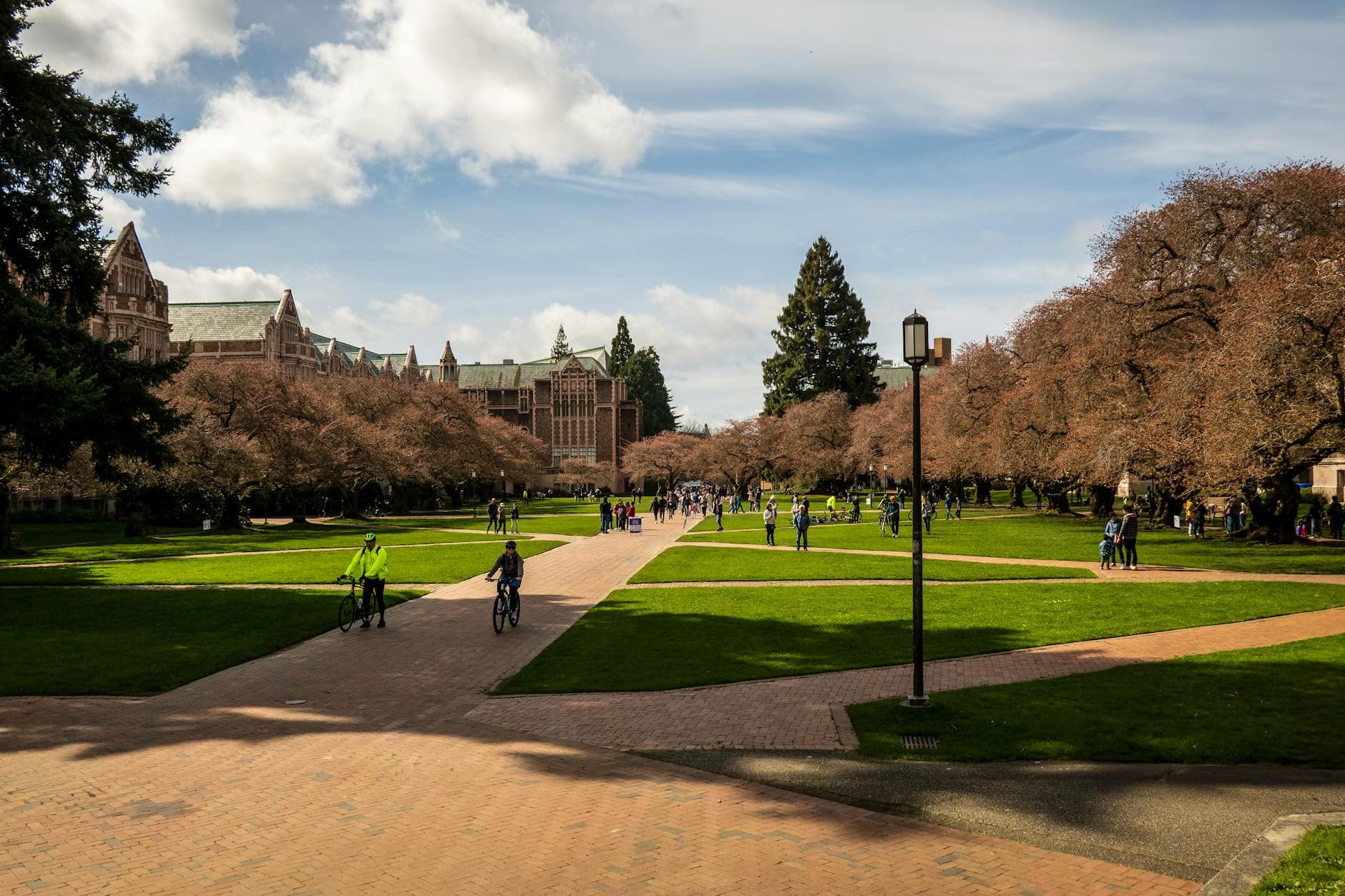
alt="Students studying together on campus in spring."
width={720}
height={480}
/>
*Status:* Last reviewed 2026-01-21. This is a planning guide. Always verify the latest document rules on the official programme/admissions pages of your target universities.
If you’re still deciding your route (degree vs language-first), start here:
* https://eclatinstitute.sg/blog/Study-Abroad-Japan-vs-South-Korea-Checklist
---
## 1) The real goal: build one “master pack” you can reuse
Singapore students often do this the hard way:
* “I’ll only prepare documents after I decide my one university.”
That’s backwards.
Instead, build a master pack you can reuse across:
* Japan programme applications
* Korea programme applications
* scholarships (MEXT/GKS or non-government routes)
* visa paperwork later
---
## 2) Your Singapore “master admissions pack” checklist
This is a neutral checklist (not a promise every university requires every item).
### A) Academic records
Prepare:
* official transcripts / report records (whatever your school issues as “official”)
* graduation certificate (if already graduated)
* certificate of expected graduation (if you’re still studying)
### B) Predicted grades / expected results (if applicable)
Predicted grades are one of the most common “Singapore-specific” friction points.
If your route depends on predicted grades, ask your school for:
* an official predicted grade letter (or equivalent)
* the school’s stamp/signature rules (some universities require official stamping)
### C) Grading scale / school profile note (high leverage)
If your transcript is not self-explanatory, add a one-page “grading scale note”.
This can include:
* grade boundaries (if your school provides them)
* what the grading system means (e.g., what an “A” represents)
* class rank (only if your school issues it)
This isn’t about bragging — it’s about clarity for admissions reviewers outside Singapore.
### D) Identity documents
Keep a clean copy of:
* passport biodata page
* name spelling consistency (match your passport exactly)
---
## 3) Translation and certification: don’t guess, verify
Most Singapore academic documents are in English, but not all supporting documents are.
Rule of thumb:
* if your document isn’t in the language accepted by the university, you may need a certified translation
For scholarships like GKS and some official processes, certified copies / apostille workflows can also appear.
If you’re building a Singapore “document pack” anyway, this playbook helps:
* https://eclatinstitute.sg/blog/scholarships/Singapore-Overseas-Scholarship-Document-Pack-Playbook
---
## 4) How to verify requirements without doomscrolling
Use portals to shortlist, then verify the documents on the programme/admissions page.
### Japan (official starting points)
* English degree programmes hub: https://www.studyinjapan.go.jp/en/planning/learn-about-schools/english-programs/
* School search: https://www.studyinjapan.go.jp/en/search-for-schools/school_search.php?lang=en
Then verify on the university programme page:
* required academic records
* whether predicted grades are accepted (and in what format)
* whether there are additional tests (EJU, internal exams, etc.)
* deadlines and intake periods
If EJU appears in your plan, start here:
* https://eclatinstitute.sg/blog/scholarships/EJU-Singapore-Guide-Who-Needs-It-Japan-University-Admissions-2026
### Korea (official starting points)
Start from:
* https://www.studyinkorea.go.kr/ko/plan/main.do
Then verify on the university programme page:
* admissions document list (official)
* language requirements (Korean/English)
* translation rules (if any)
---
## 5) Email admissions only when the website can’t answer it
Use a short email with concrete questions:
* “Do you accept predicted grades from a Singapore school? If yes, what format do you require (signed letter, sealed envelope, PDF scan)?”
* “Do you require an official grading scale note or school profile?”
* “Do you require translations for documents issued in English from Singapore?”
* “If I’m graduating in ___, which intake should I apply for?”
This is faster than arguing with forum posts.
---
## 6) Next action (today)
Do this in order:
1. Build a master admissions folder (academic records + ID docs + predicted grades plan).
2. Shortlist 5–10 programmes using official portals:
- Japan: https://www.studyinjapan.go.jp/en/planning/learn-about-schools/english-programs/
- Korea: https://www.studyinkorea.go.kr/ko/plan/main.do
3. For each programme, copy/paste the document requirements into your shortlist sheet and highlight unclear items to email admissions.