GKS 2026 (Singapore): Embassy Track vs University Track — How to Choose Universities Without Guessing
TL;DR
A Singapore-friendly, source-first guide to choosing the right GKS route: how Embassy Track vs University Track differ, the official constraints on university choices, and a practical workflow to shortlist departments using the official…
21 Jan 2026, 00:00 Z
Reviewed by
Marcus Pang·Managing Director (Maths)
Planning a revision session? Use our study places near me map to find libraries, community study rooms, and late-night spots.
> **Q:** I’m in Singapore — should I apply GKS via the **Embassy Track** or the **University Track**?
> \
> **A:** Don’t start with “which is easier”. Start with the official constraints: **how many universities you’re allowed to apply to**, whether you’re okay committing to **one university only**, and whether your intended department is actually listed in the official **University Information** files. This post gives you a workflow you can execute.
> **TL;DR (2 minutes)**
> - Use the official GKS-U notice + attachments as your source of truth: https://www.studyinkorea.go.kr/ko/notice/scholarshipsRead.do?nttId=4385&bbsId=BBSMSTR_000000000461&boardSort=3
> - Key constraints from the official forms/guidelines:
> - **University Track:** you fill in **ONE** university (and you shouldn’t apply to multiple universities under this track).
> - **Embassy Track (General / Overseas Koreans):** you can choose **up to three** different universities, and **at least one** must be from **Type B** universities.
> - If you’re applying from Singapore, confirm local submission instructions on the Singapore embassy notice too: https://overseas.mofa.go.kr/sg-en/brd/m_2435/view.do?seq=761552&page=1
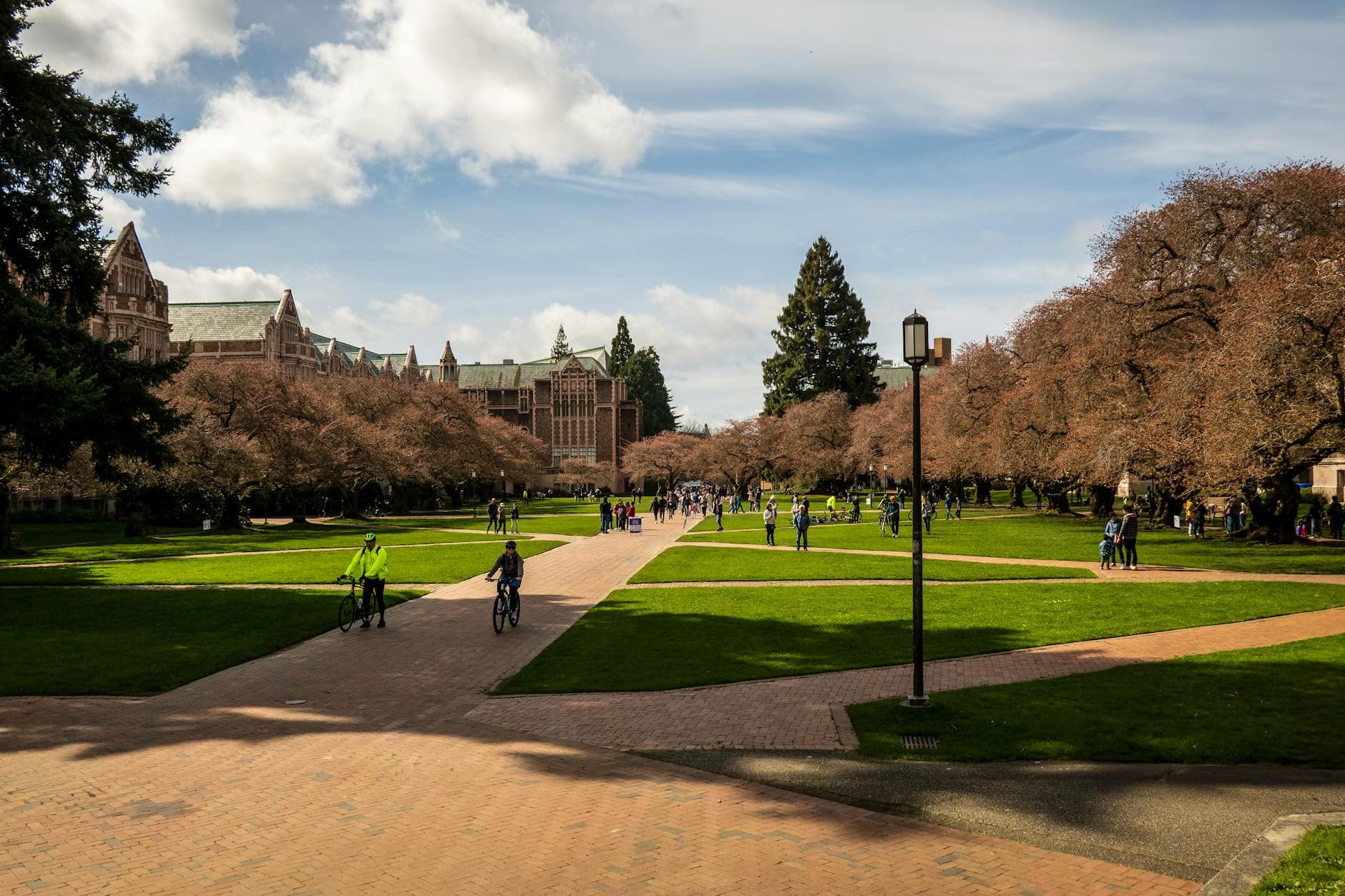
<Image
src="/optimised/study-abroad-japan-korea-checklist-campus-spring-20260119-bf9860a6.avif"
alt="Students studying together on a campus lawn."
width={720}
height={480}
/>
*Status:* Last reviewed 2026-01-21. This is a planning guide, not legal advice. Always confirm the current cycle rules on the official pages linked above.
If you’re new to GKS, start with these first (then come back here to pick a track confidently):
* GKS-U profile (what it covers + who it’s for): https://eclatinstitute.sg/blog/scholarships/Global-Korea-Scholarship-GKS-Undergraduate-2026-Profile
* Singapore embassy submission guide (deadlines + document handling): https://eclatinstitute.sg/blog/scholarships/GKS-Scholarship-Singapore-Embassy-Guide-2026
---
## 1) The simplest mental model: “how much optionality do you want?”
**University Track** is a “one-bet” plan:
* you apply to **one university**, and your application package goes through that university’s selection process for the first round.
**Embassy Track** is a “portfolio” plan:
* you can list **multiple universities** (within the official rules) and you keep some optionality in the early stage.
Neither is universally “better”. The best plan is the one you can execute **without guessing**.
---
## 2) What the official documents actually say (the rules you must respect)
Use these as your anchor documents:
* GKS-U guideline PDF (English): https://www.studyinkorea.go.kr/cmm/fms/FileDown.do?atchFileId=FILE_000000000492848&fileSn=1
* GKS-U application forms (DOCX): https://www.studyinkorea.go.kr/cmm/fms/FileDown.do?atchFileId=FILE_000000000492848&fileSn=3
### A) University Track: you pick one university
The official application form explicitly states:
* **University Track applicants must choose ONE university.**
Treat this as a hard rule, not a suggestion.
### B) Embassy Track: you can choose multiple universities (within constraints)
From the official guideline:
* For **General / Overseas Koreans** under Embassy Track, applicants can choose **up to three** different universities, and **at least one** must be from **Type B** universities.
Also note the warning in the guideline: if you choose only highly competitive universities, you can end up failing admissions at all choices even if you pass earlier rounds. (That’s why we do a shortlist workflow below.)
### C) You can’t apply to both tracks at once
The guideline’s FAQ section also makes it clear you shouldn’t try to “double submit” both tracks in parallel. If you’re tempted to do that, pause — and re-read the current-year FAQ.
---
## 3) The biggest mistake: picking universities before checking the “University Information” file
The official guideline says applicants can only apply to universities/departments listed in the **University Information** file released for that year.
For 2026, those files are attached on the official notice (they’re large ZIPs, but they’re the correct source):
* https://www.studyinkorea.go.kr/ko/notice/scholarshipsRead.do?nttId=4385&bbsId=BBSMSTR_000000000461&boardSort=3
This one step prevents a painful outcome:
* You build your whole plan around “Korea University — X major”, then discover the department isn’t available for your track, or has extra language/doc requirements.
---
## 4) A Singapore-friendly university shortlist workflow (the part most people skip)
This is the “stop guessing” workflow I recommend.
### Step 1: pick your route + constraints (10 minutes)
Write down:
* your intended degree level (Bachelor’s vs Associate)
* your intended major direction (broad is okay)
* your language reality (do you already have TOPIK, or are you planning for the Korean language year?)
* your risk tolerance:
- “I’m okay committing to one university” (University Track), or
- “I want 2–3 options” (Embassy Track)
If you’re still choosing “degree route vs language-first route” in general, start here first:

* https://eclatinstitute.sg/blog/Study-Abroad-Japan-vs-South-Korea-Checklist
### Step 2: download the University Information files and build a shortlist sheet
From the official notice attachments, download the “University Information” ZIPs for the year and extract them.
Then build a shortlist sheet (5–10 rows first). Use columns like:
* university + campus
* department (exact name from the file)
* track compatibility (Embassy Track Type A/Type B / University Track)
* extra requirements (if any) stated in the file (language level, portfolio, etc.)
* deadline notes (if stated)
* your questions to email (see Step 4)
### Step 3: make your final pick(s) in a “risk-aware” way
**If you’re on Embassy Track:**
* don’t pick three choices that all have the same “hyper-competitive” profile
* include at least one Type B choice (required for some Embassy Track categories)
* don’t list three departments from the same university (the guideline warns against this pattern)
**If you’re on University Track:**
* treat your one university choice as a serious commitment:
- verify your department entry requirements,
- verify language requirements,
- verify whether supplementary documents must be submitted directly to the university.
### Step 4: email the right person (don’t email the generic admissions inbox)
The GKS guideline includes contact lists for universities by track (appendices).
Before you ask the Singapore embassy or guess on forums, email the university contact for your track and ask:
* “Is this department available for my track in the 2026 University Information file?”
* “Do you require any supplementary documents (portfolio, extra forms) to be submitted directly to the university?”
* “Are there additional language requirements for this department beyond the baseline?”
* “How will interview/document review be conducted for first-round selection under this track?”
Keep it short. Attach nothing unless asked.
---
## 5) Singapore execution note: documents are the real bottleneck
Even if your universities are perfect on paper, applicants get stuck on:
* certified true copies,
* apostille/consular confirmation rules,
* translations,
* sealed recommendation letters,
* and copy counts (which can differ by embassy/university).
If you haven’t read these yet, they save a lot of late-night scrambling:
* Singapore document pack playbook (apostilles/CTCs/translations): https://eclatinstitute.sg/blog/scholarships/Singapore-Overseas-Scholarship-Document-Pack-Playbook
* Medical timing (MEXT vs GKS, Singapore clinics): https://eclatinstitute.sg/blog/scholarships/MEXT-vs-GKS-Medical-Forms-Singapore-Health-Check-Timing-Guide-2026
---
## 6) Next action (today)
Do these three things in order:
1. Open the official 2026 notice and download the **University Information** files:
- https://www.studyinkorea.go.kr/ko/notice/scholarshipsRead.do?nttId=4385&bbsId=BBSMSTR_000000000461&boardSort=3
2. Create a shortlist sheet with **5–10** departments and label which track each option fits.
3. Choose a track, then read the Singapore execution guide end-to-end before you print anything:
- https://eclatinstitute.sg/blog/scholarships/GKS-Scholarship-Singapore-Embassy-Guide-2026