Korea Student Visas (Singapore) 2026: D-2 vs D-4-1 (Degree vs Language Route)
TL;DR
A Singapore-student friendly guide to Korean student visa planning: how D-2 and D-4-1 typically map to degree vs Korean-language routes, what to verify on official portals, and how to avoid common document and timeline mistakes.
20 Jan 2026, 00:00 Z
Reviewed by
Marcus Pang·Managing Director (Maths)
Planning a revision session? Use our study places near me map to find libraries, community study rooms, and late-night spots.
> **Q:** I’m in Singapore — what’s the simplest way to think about Korean student visas?
> \
> **A:** Start from your route: **degree first** vs **language programme first**. Then use the official portals to confirm which visa category and documents apply to your exact case. Don’t plan off Reddit threads.
> **TL;DR (90 seconds)**
> - If you’re going for a **degree programme**, you’ll usually be in the “degree” bucket (often discussed as D-2).
> - If you’re going for a **Korean language programme**, you’ll usually be in the “language training” bucket (often discussed as D-4-1).
> - Verify the real requirements using:
> - Study in Korea (official): https://www.studyinkorea.go.kr/ko/plan/visaAndStay.do
> - Korea Visa Portal (Visa Navigator): https://www.visa.go.kr/openPage.do?MENU_ID=10101
<Image
src="/optimised/study-abroad-japan-korea-checklist-campus-spring-20260119-bf9860a6.avif"
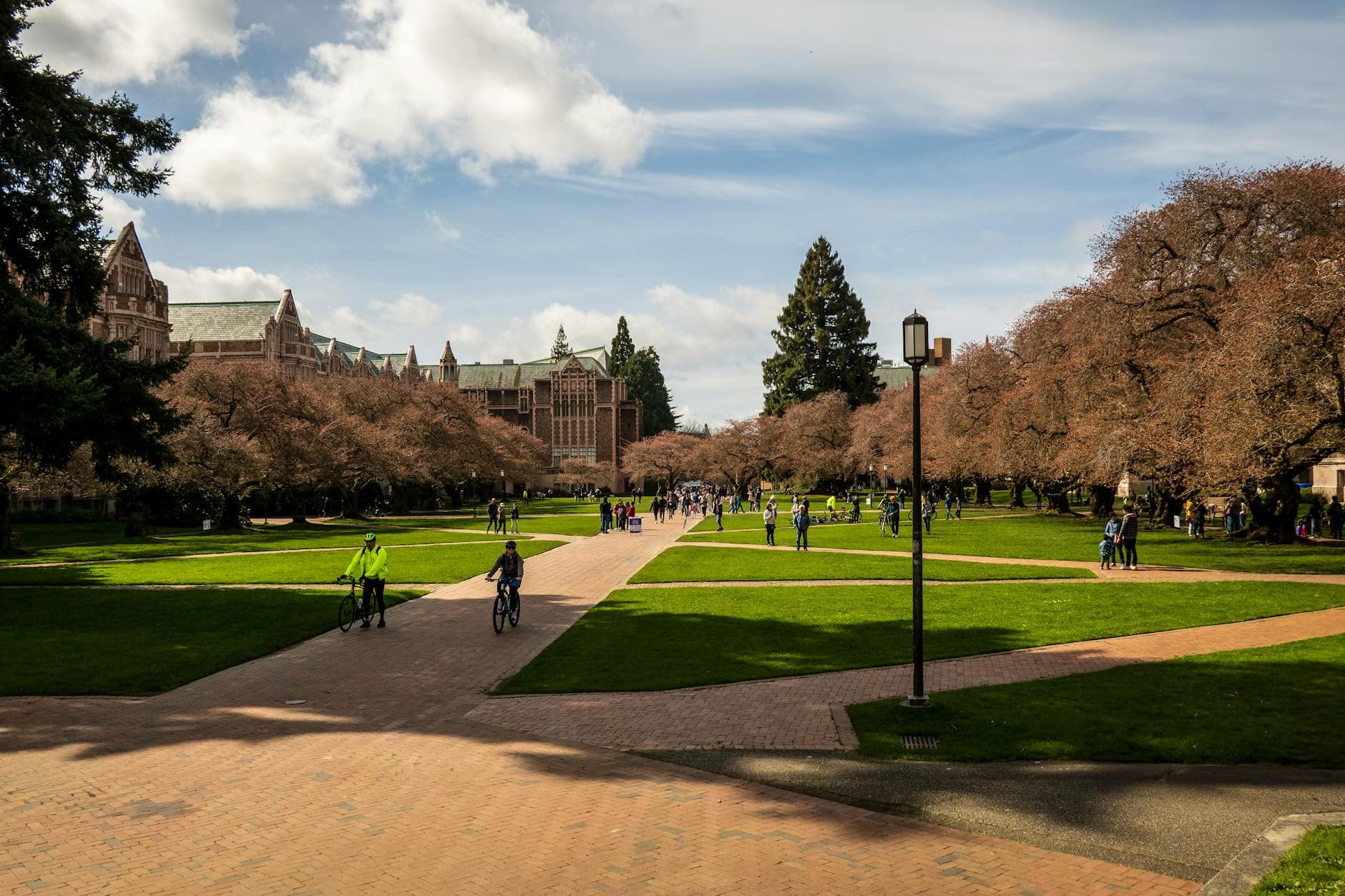
alt="Students studying outdoors on a campus lawn during spring."
width={720}
height={480}
/>
*Status:* Last reviewed 2026-01-20. This is a planning guide, not legal advice. Visa rules can change, so verify everything on the official portals linked above (and your school’s instructions).
---
## 1) Start from your route (degree vs language-first)
This sounds obvious, but it’s the most common mistake:
People ask “What visa do I need?” before they confirm what they’re actually enrolling in.
Use this lens (it’s practical, not perfect):
* **Degree route:** you have an offer (or you’re applying) for an undergraduate/postgraduate degree.
* **Language route:** you’re enrolling in a Korean language programme first, then applying for degree programmes later.
If you’re still deciding which route makes sense for you, start with:
* Japan vs Korea planning checklist: https://eclatinstitute.sg/blog/Study-Abroad-Japan-vs-South-Korea-Checklist
---
## 2) The two official places to verify everything (don’t skip this)
### A) Study in Korea (official)
Start here for an official overview of “visa & stay”:
* https://www.studyinkorea.go.kr/ko/plan/visaAndStay.do
### B) Korea Visa Portal (Visa Navigator)
Use this as your “what applies to me?” tool:
* https://www.visa.go.kr/openPage.do?MENU_ID=10101
If you’re reading student-friendly summaries, treat them as explainers — then verify against the official portals:
* Flying Chalks visa explainer (secondary): https://flyingchalks.com/en/study-abroad-blog/types-of-korean-visas-for-international-students-697
---
## 3) D-2 vs D-4-1 in plain English (without pretending it’s universal)
These labels come up a lot:
* **D-2** is commonly discussed as the **degree student** category.
* **D-4-1** is commonly discussed as the **Korean language training** category.
But:
* exact requirements can vary by your school, your programme, and policy updates
* the safest approach is always: **use the Visa Navigator + your school’s document checklist**
---
## 4) The “Singapore student” checklist (what to prepare early)
Even before you know every requirement, you can reduce stress by preparing:
* Passport validity check
* A single “master folder” of documents (scans + originals)
* Proof-of-funds documents (format and amounts vary — confirm on official sources and school instructions)
* Consistent name spelling and date formats across documents
If you’re applying via scholarships (GKS or otherwise) and you already need certified copies/apostille workflows, this Singapore playbook helps:
* https://eclatinstitute.sg/blog/scholarships/Singapore-Overseas-Scholarship-Document-Pack-Playbook
---
## 5) Common mistakes (and how to avoid them)
These are “pattern” problems — not legal claims — and they’re avoidable if you plan early:
* **Picking the wrong bucket:** planning a degree visa when you’re actually enrolling in a language programme first.
* **Document mismatch:** names not matching the passport; different name order across certificates.
* **Late timeline:** leaving everything until after results release, then compressing visa + housing + flight planning into a few weeks.
* **Relying on unofficial checklists:** forum lists go stale; official portals update.
---
## 6) Suggested next action (today)
Pick one:
* Use the Visa Navigator and screenshot the result page for your route: https://www.visa.go.kr/openPage.do?MENU_ID=10101
* Email your school and ask:
- “Which visa category applies to my programme?”
- “What documents do you need from me, and by what deadline?”
* If you want a calm first-week admin checklist after you land:
- https://eclatinstitute.sg/blog/scholarships/Arriving-in-Korea-as-a-Student-Singapore-First-Week-Admin-Checklist-2026
If you’re also exploring scholarship routes:
* GKS-U 2026 profile: https://eclatinstitute.sg/blog/scholarships/Global-Korea-Scholarship-GKS-Undergraduate-2026-Profile
* GKS-U 2026 (Singapore) embassy guide: https://eclatinstitute.sg/blog/scholarships/GKS-Scholarship-Singapore-Embassy-Guide-2026