

Cambridge IGCSE Biology Notes 15: Drugs
Cambridge IGCSE Biology 0610 and 0970 notes on drugs, antibiotic treatment, bacteria, viruses, resistant bacteria, essential use and MRSA.
Topic 15 of Cambridge IGCSE Biology 0610 and 0970 has one focused boundary: define drugs, explain the appropriate use and limits of antibiotics, recognise resistant bacteria and explain why essential-only antibiotic use can slow resistance such as MRSA. Alcohol, heroin, addiction and tolerance are not imported into the current official section 15.1.
Drug definition
A drug is any substance taken into the body that modifies or affects chemical reactions in the body. The definition includes medicines as well as other substances, but this Topic 15 outcome develops antibiotics specifically.
"Taken into the body" can involve different routes, while "modifies chemical reactions" identifies a biological effect. A food is not automatically called a drug simply because it contains chemicals; apply the official definition and context.
The word drug does not itself mean harmful, illegal or addictive. Antibiotics are medicinal drugs when used to treat appropriate infections.
Antibiotics treat bacterial infections
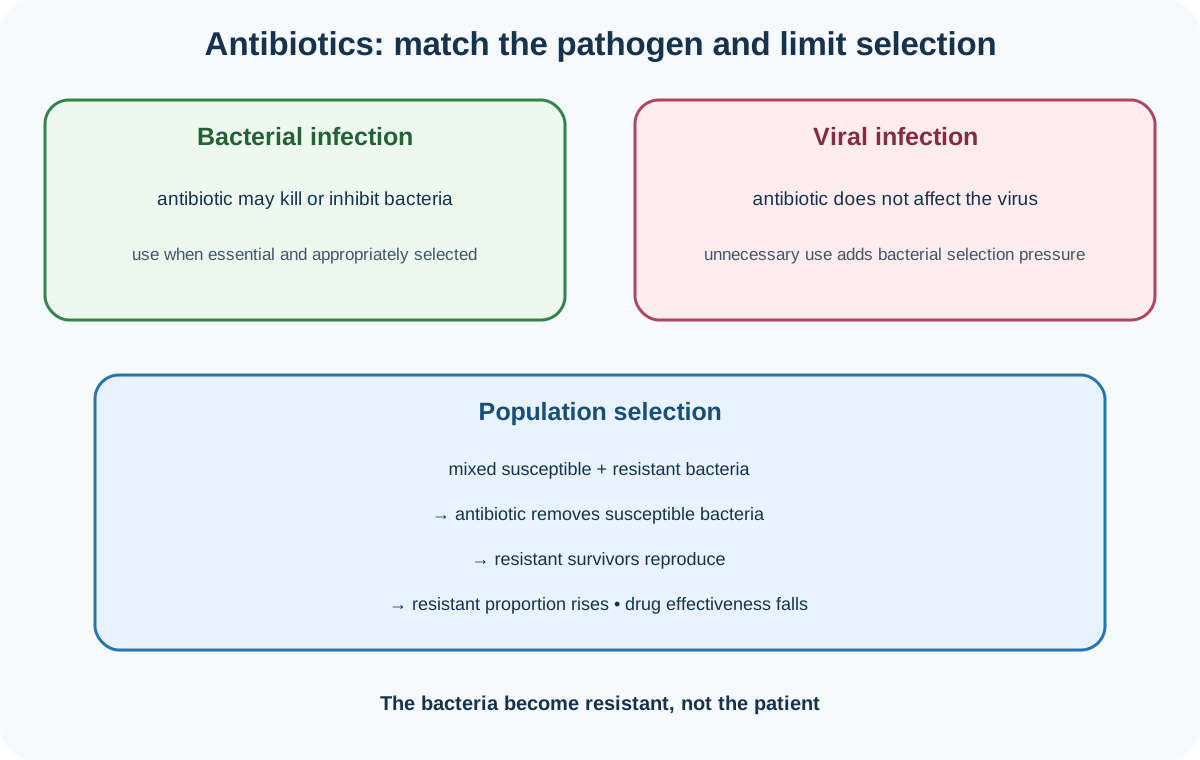
Antibiotics are used to treat bacterial infections. They kill bacteria or prevent bacterial growth sufficiently for the infection to be controlled.
Different antibiotics act on bacterial targets. Detailed molecular target mechanisms are not required here, but the central distinction is that bacteria are cells with structures and processes that an antibiotic may disrupt.
A prescription must match the likely or confirmed bacterial cause. Symptoms alone may not distinguish bacterial from viral infection, so unnecessary treatment can expose bacteria to selection without helping the patient.
Antibiotics do not affect viruses
Viruses are not bacterial cells. They reproduce using host-cell machinery and lack the bacterial structures targeted by antibiotics. Antibiotics therefore do not kill viruses and do not treat a viral infection itself.
A person with a viral disease can sometimes also develop a bacterial infection, but that separate bacterial diagnosis is the reason an antibiotic might be used. The presence of severe symptoms does not convert a virus into a bacterium.
Avoid saying that antibiotics treat every pathogen. Pathogen is a broad disease-causing category; antibiotics in this boundary target bacteria.
Resistant bacteria
Some bacteria are resistant to particular antibiotics. Resistance means that the antibiotic no longer kills or stops those bacteria effectively at the treatment exposure.
Variation exists in a bacterial population. When an antibiotic is used, susceptible bacteria are killed or inhibited. Resistant bacteria are more likely to survive, reproduce and pass resistance information to descendants. The proportion of resistant bacteria can therefore increase.
Check this topic from memory
Attempt the matching topic bank before reopening the notes. Use each missed idea to decide what to review next.
Start the topic quiz