

Co-ordinated Sciences Biology B7: Human Nutrition
Double-award notes on diet, digestion, enzymes, absorption, assimilation and the alimentary canal.
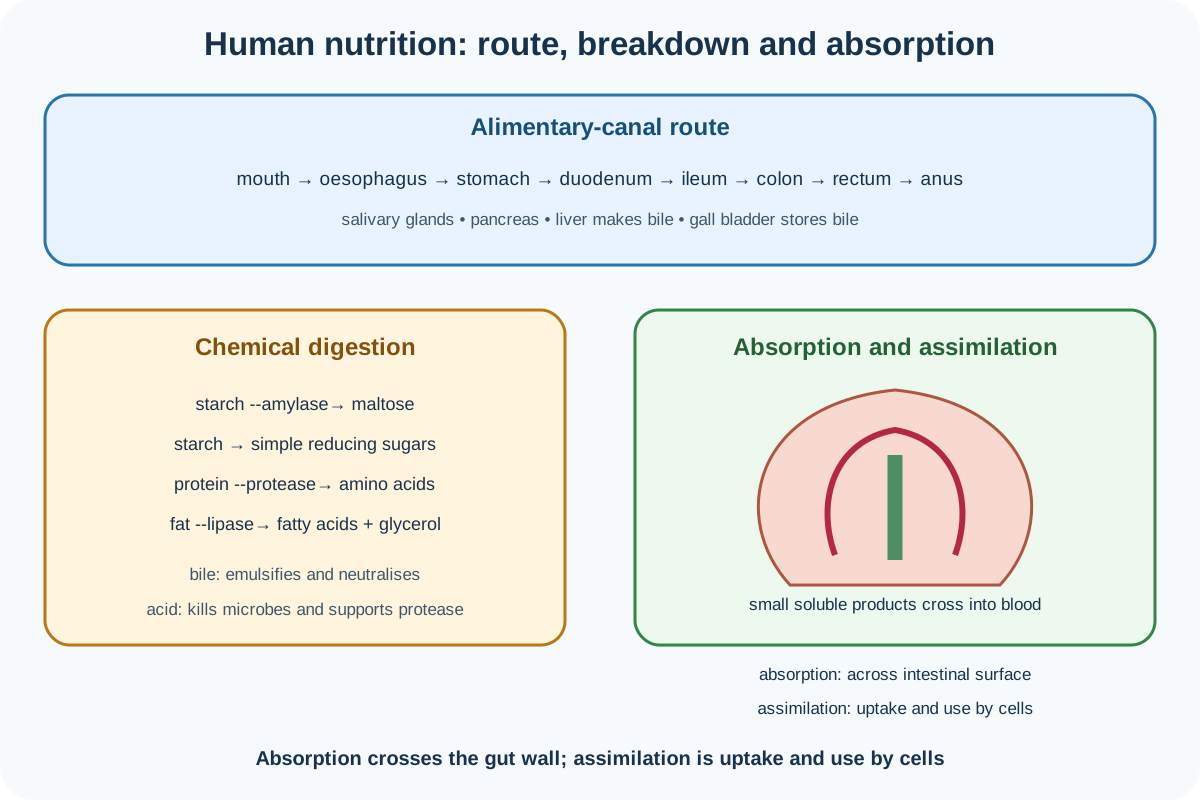
Topic 7 of Cambridge IGCSE Co-ordinated Sciences 0654 and 0973 follows food from a balanced diet through ingestion, physical and chemical digestion, absorption and assimilation, then distinguishes egestion of undigested material. It joins nutrient roles and deficiencies to the named organs, enzyme classes, bile and hydrochloric acid in official sections 7.1 to 7.3.
A balanced diet
A balanced diet contains the appropriate amounts and proportions of nutrients, fibre and water needed to maintain health. Appropriate intake depends on factors such as age, sex, activity, growth, pregnancy and health. Balance therefore means matching needs, not eating identical masses of every food group.
Carbohydrates
Carbohydrate-rich sources include rice, bread, pasta, potatoes and cereals. Carbohydrates are an important respiratory substrate and energy source. Intake that consistently exceeds energy use can contribute to increased fat storage.
Fats and oils
Sources include plant oils, nuts, seeds, dairy foods and fatty meat or fish. Fats provide a concentrated energy store, insulation and protection around organs, and contribute to cell structures. They are required in suitable amounts rather than eliminated completely.
Proteins
Sources include meat, fish, eggs, dairy foods, beans, lentils and other pulses. Proteins supply amino acids for growth and repair and for making biological molecules including enzymes. Protein is not used only by bodybuilders; every growing and repairing organism needs it.
Vitamin C and vitamin D
Fruit and vegetables are important vitamin C sources. Vitamin C supports healthy connective tissues. Deficiency causes scurvy.
Vitamin D can be obtained from foods such as oily fish, egg yolk and fortified products, and it can be produced in skin with suitable sunlight exposure. It supports calcium use and healthy bone development. Deficiency in children causes rickets.
Calcium and iron
Dairy products and some leafy vegetables are calcium sources. Calcium is important for bones and teeth and also has other body roles. Meat, liver, legumes and leafy vegetables can supply iron. Iron is required to make haemoglobin for oxygen transport; insufficient iron can contribute to anaemia.
Fibre and water
Fibre, or roughage, occurs in plant foods such as whole grains, vegetables and fruit. It is not digested into an absorbed respiratory substrate, but it adds bulk and supports movement of material through the gut, reducing constipation risk.
Water is a solvent and transport medium, participates in reactions and helps temperature regulation. It comes from drinks and foods. Water requirement changes with temperature, activity and losses.
Check this topic from memory
Attempt the matching topic bank before reopening the notes. Use each missed idea to decide what to review next.
Start the topic quiz